AI & Documentation
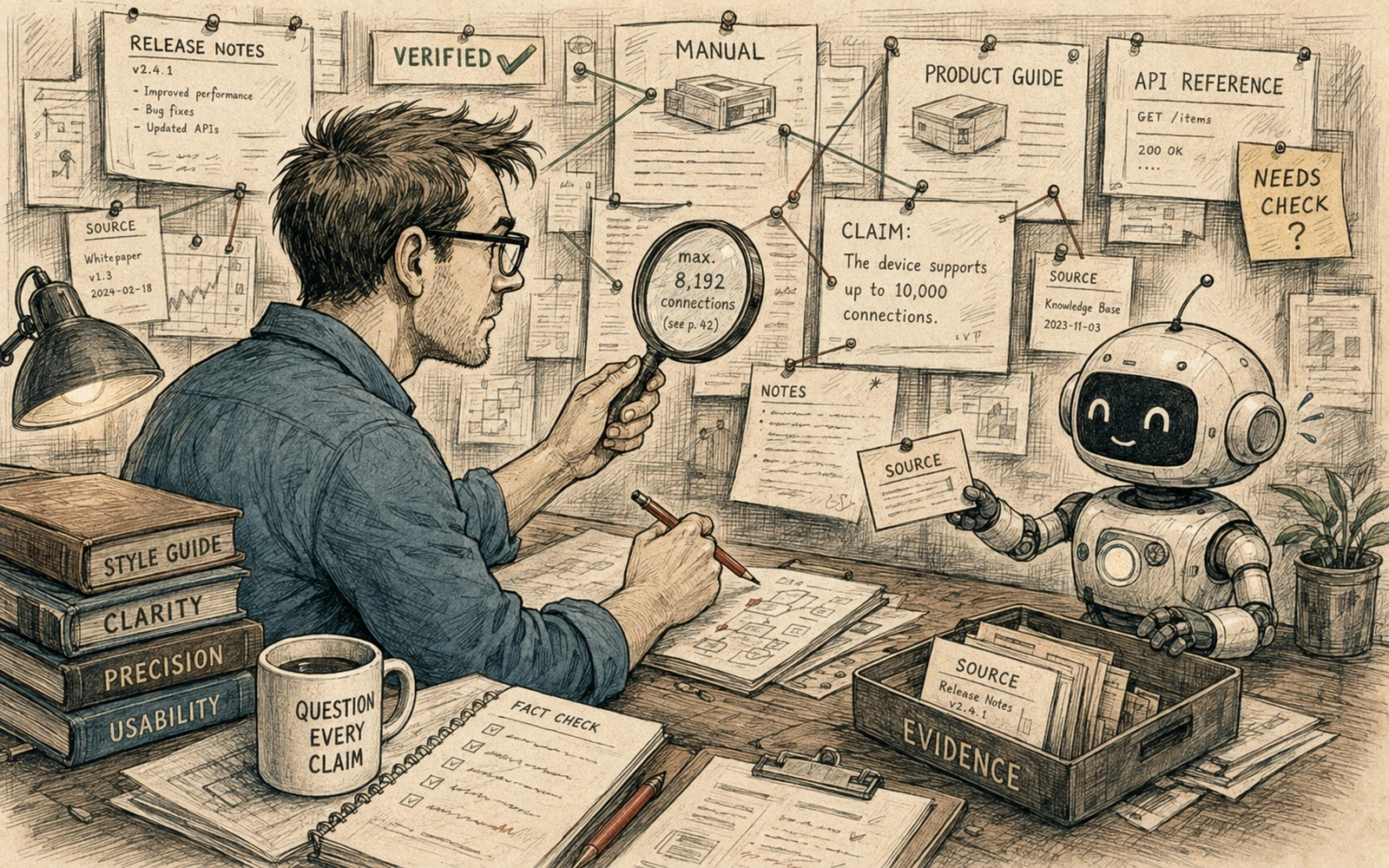
Generative text can sound complete while quietly inventing defaults, guarantees or citations. Build a verification pass around authoritative sources, executable examples and explicit uncertainty. The dangerous AI error in documentation is rarely broken grammar.
API
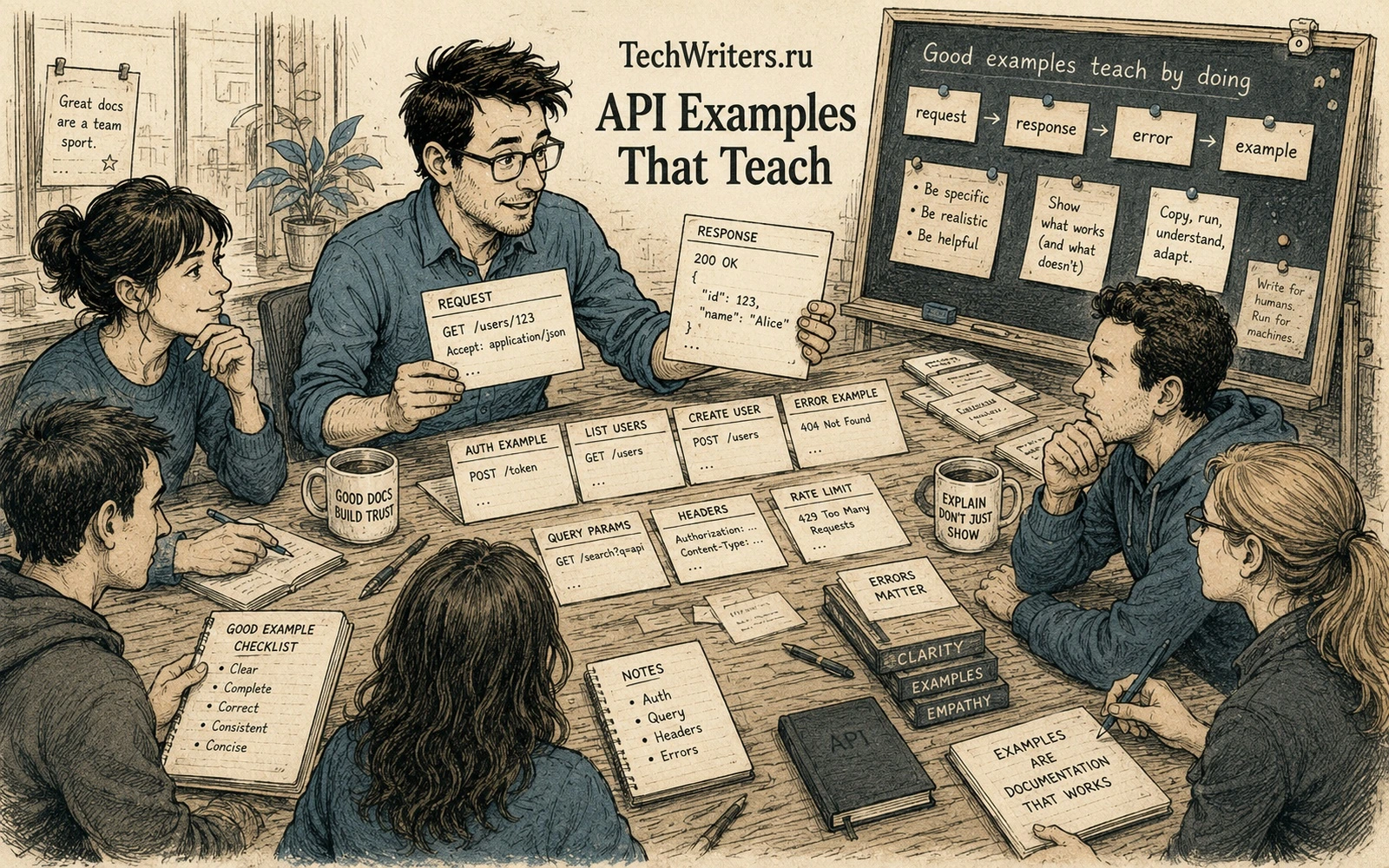
A technically valid request is not automatically a useful example. Choose examples that expose the mental model, show realistic values and let a developer predict what to do next. An example copied from a schema can be syntactically correct and still teach nothing.
Tools
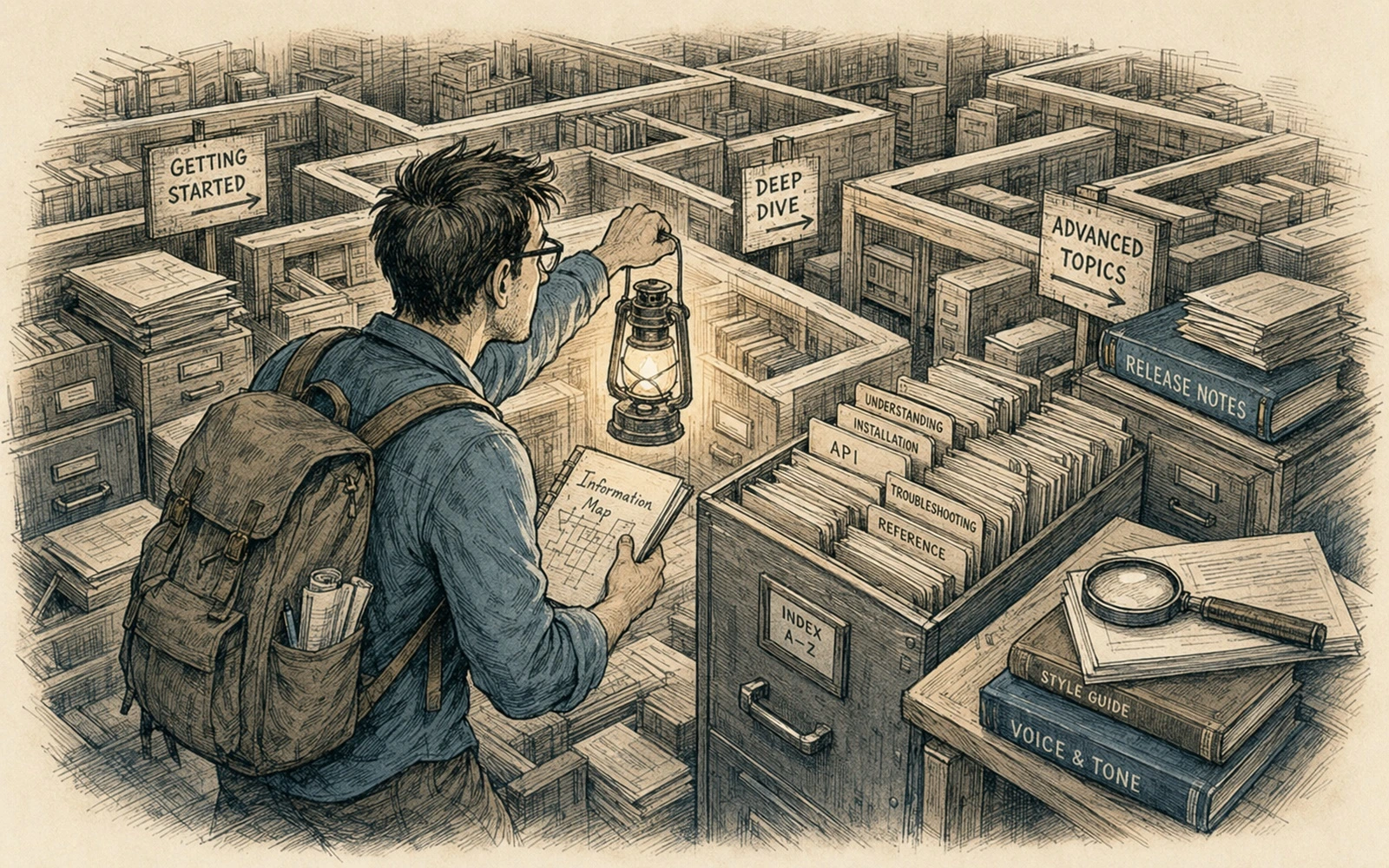
Documentation search should be selected and tuned around the queries users fail to resolve, not around a feature checklist from vendors. Search is most valuable when readers know a term or symptom but not where the information lives.
Practice
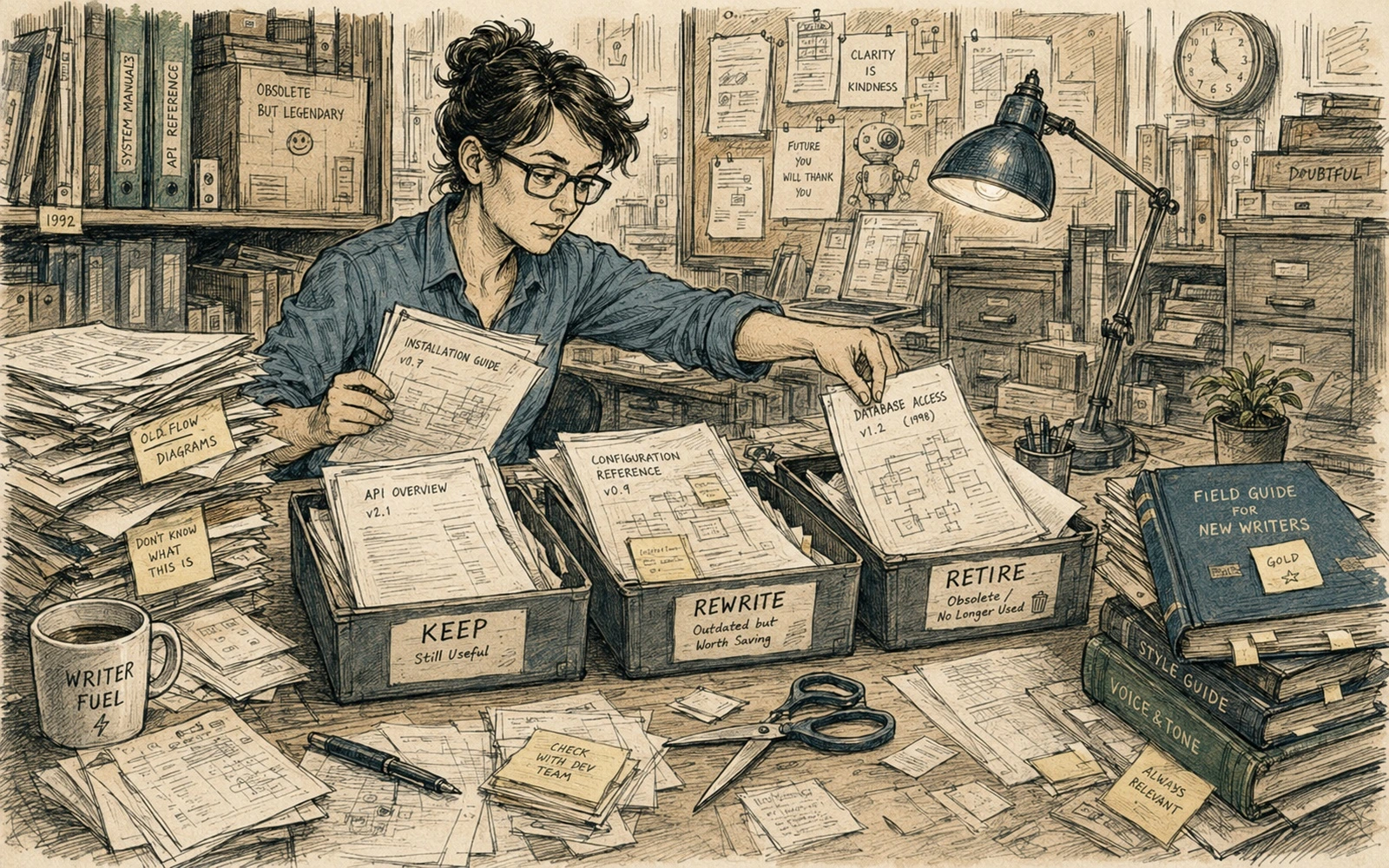
A practical way to separate harmless old pages from documentation debt that creates support work, failed tasks and release risk. Age alone does not create debt; user failure and maintenance cost do.
Tools
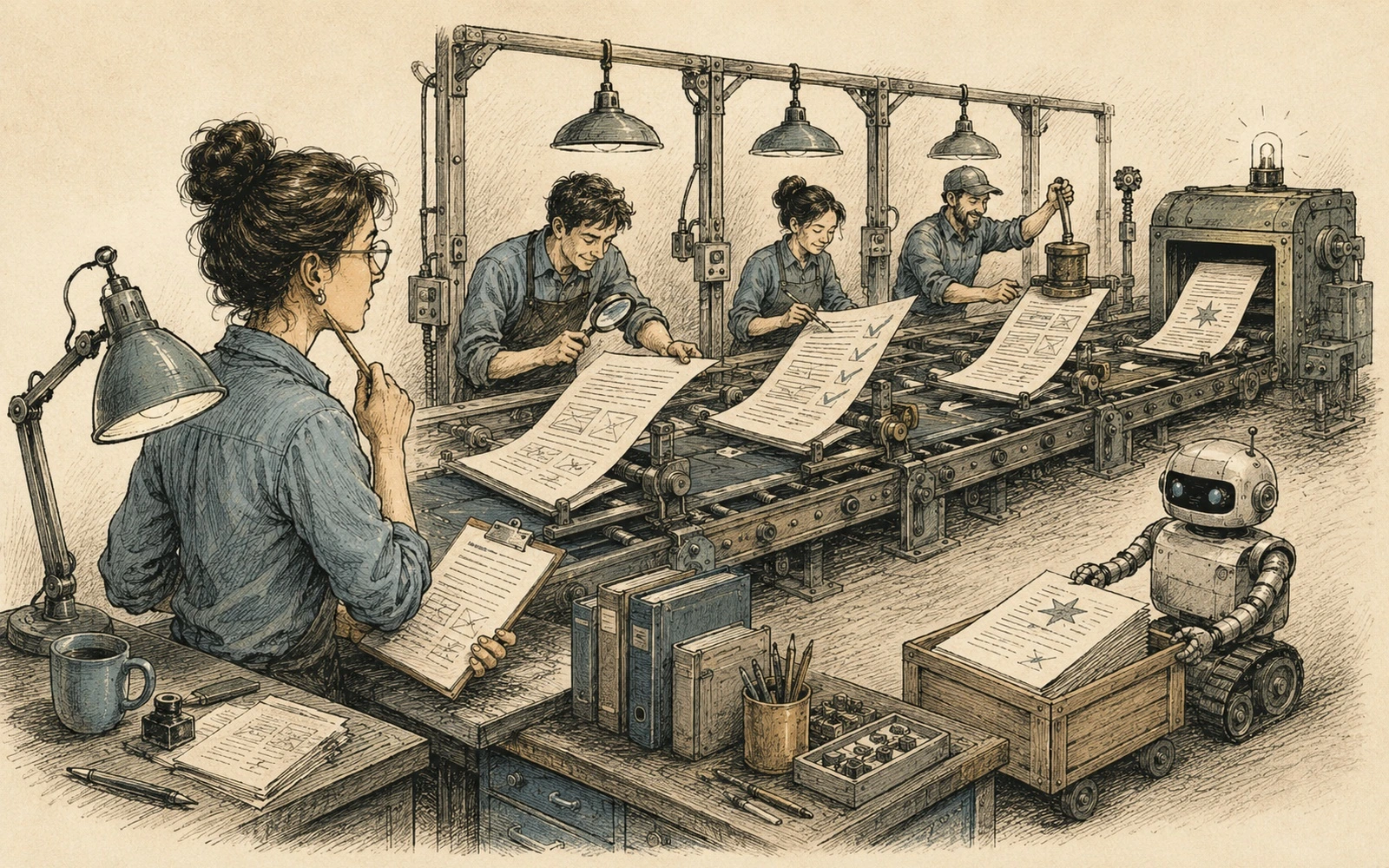
Treat documentation as a build artifact: validate structure, links, examples and publication rules before changes reach readers. CI cannot decide whether an explanation is useful, but it can reject many predictable defects before a human spends time on them.
Profession
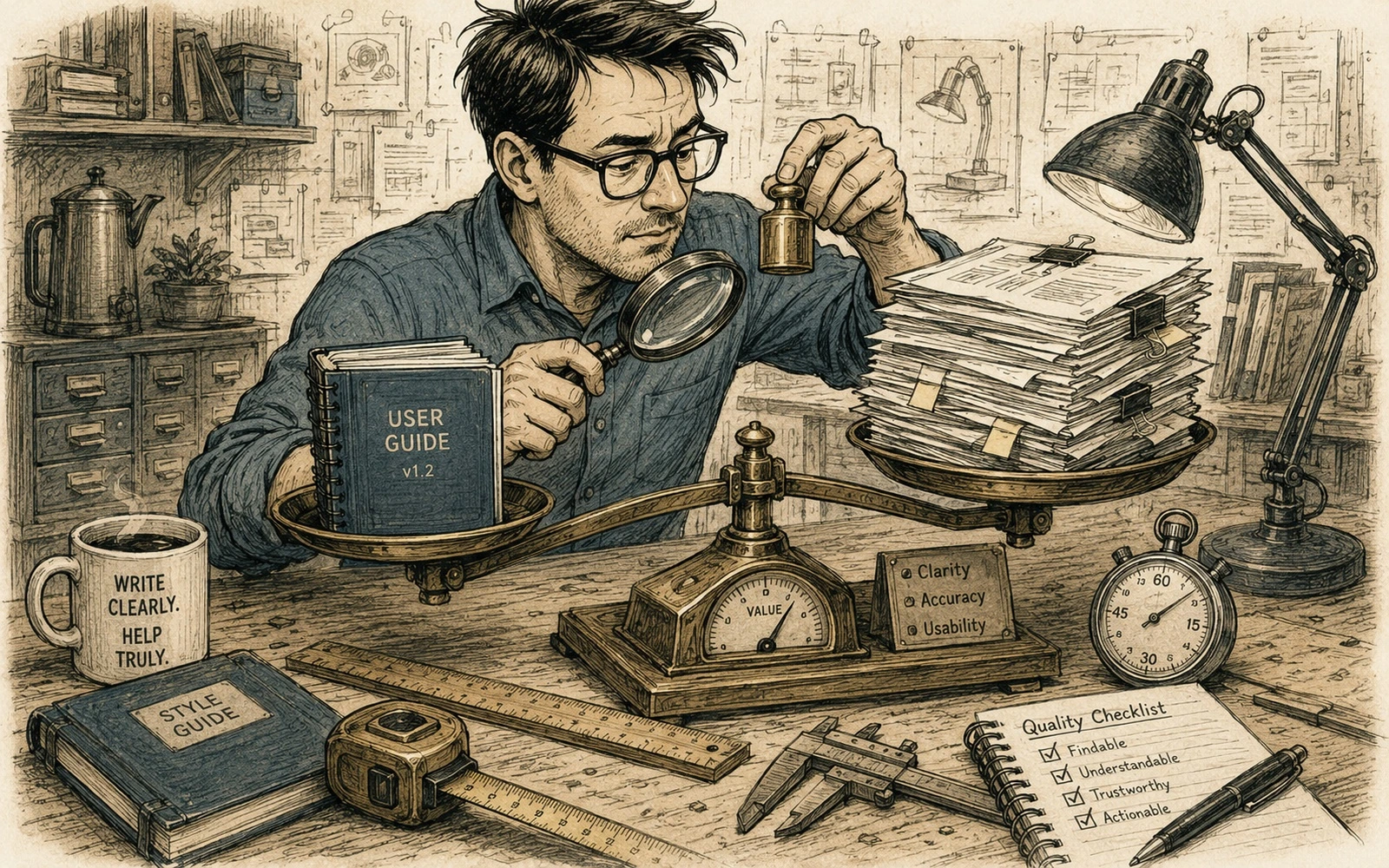
Measure whether documentation helps users complete work and helps teams maintain knowledge, not merely how often pages were opened. Traffic is context, not success; a popular page can be popular because it is confusing.

Practice
A review process should make responsibility visible, reduce waiting and separate factual, editorial and product approval. Documentation review fails when nobody knows who must act next.
API
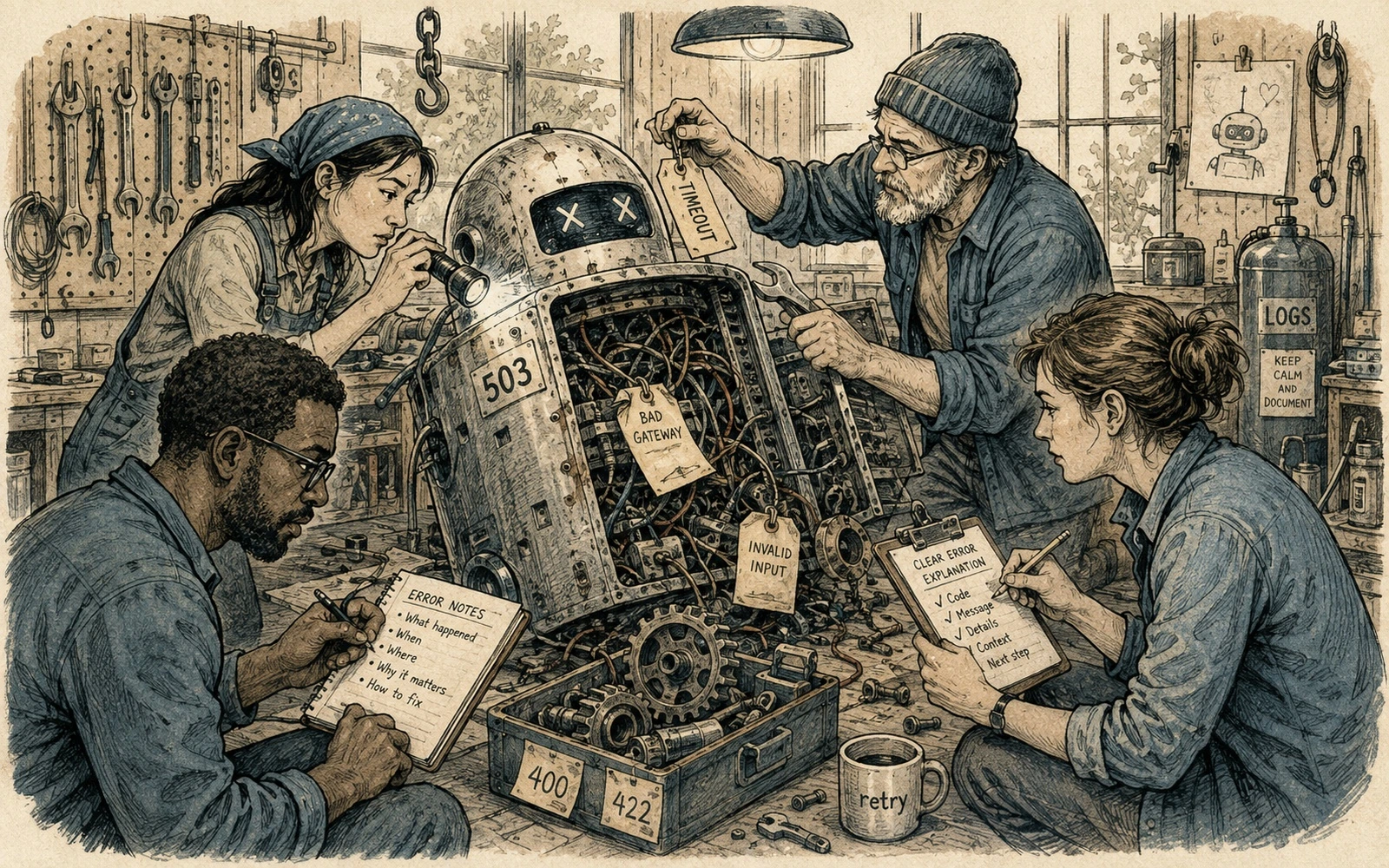
An error reference is useful only when it helps a developer identify the condition, understand the response and choose a safe next action. Describe the condition that triggers an error, not only a status code and message.
API
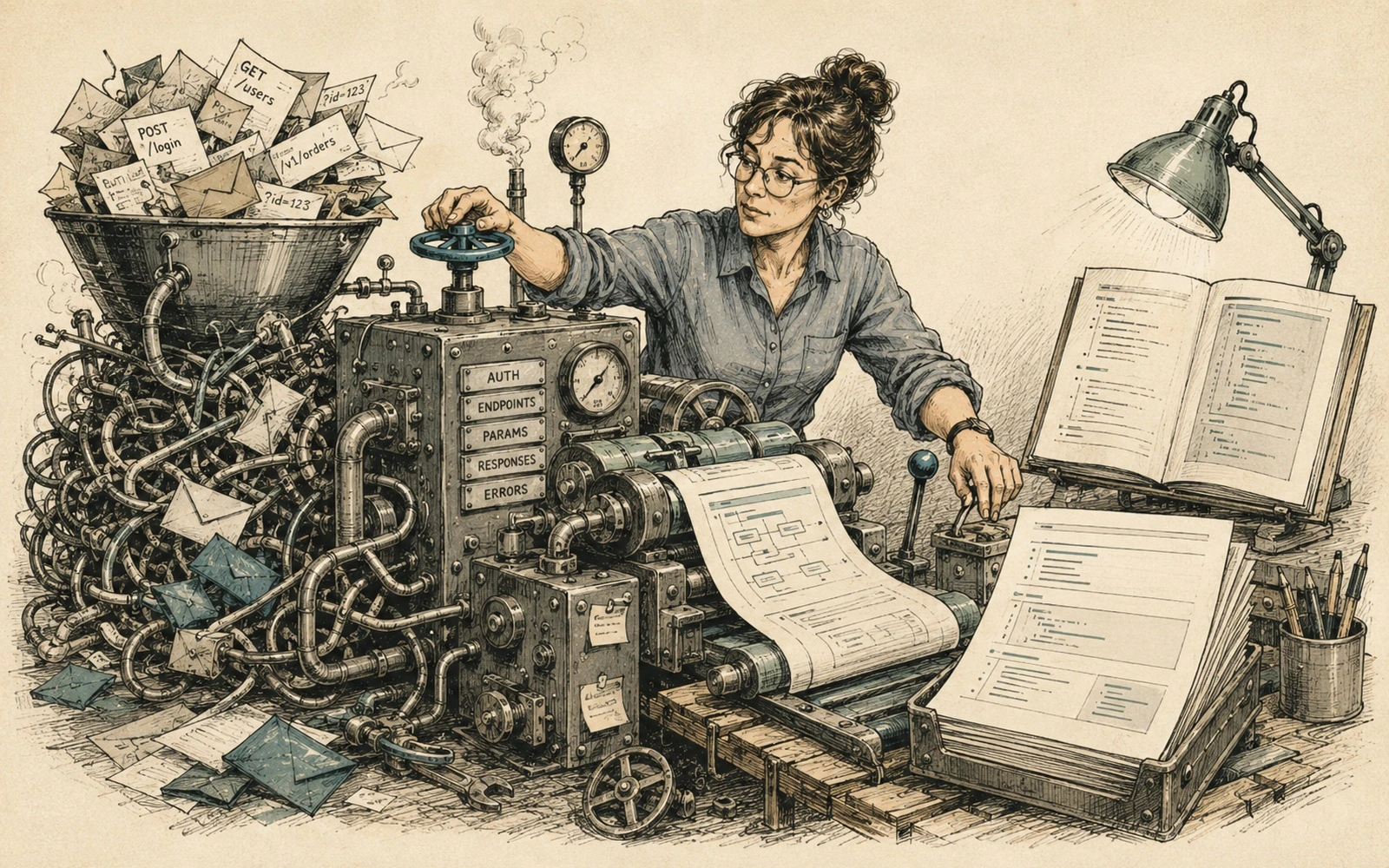
Good API documentation combines machine-readable contracts with human explanations, runnable examples and explicit error behavior. REST API documentation has two audiences at once: machines and people.
Standards
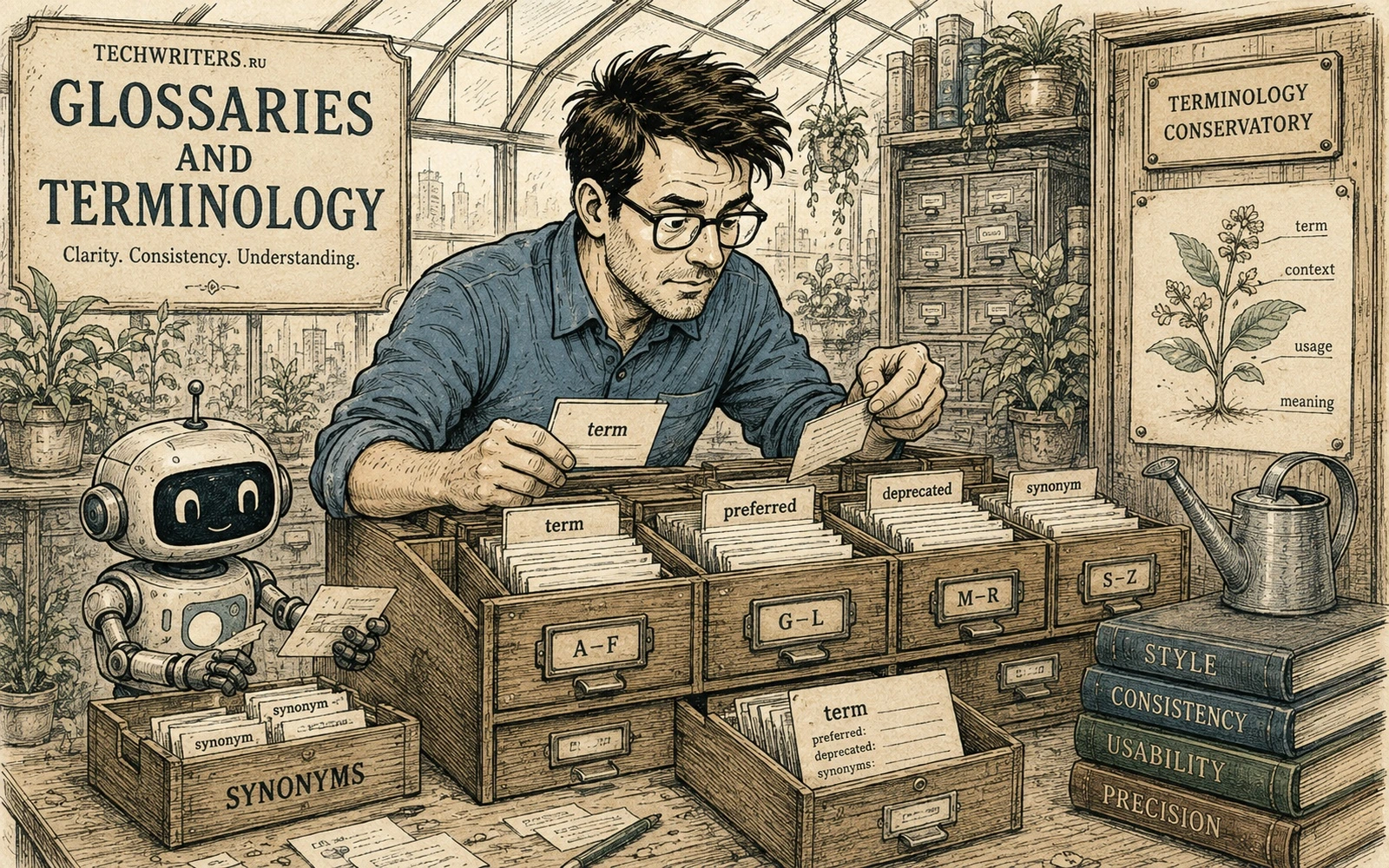
A glossary becomes useful when it controls decisions across products, interfaces and documentation instead of merely collecting words. A useful terminology entry answers more than “what does this word mean?”.
Profession
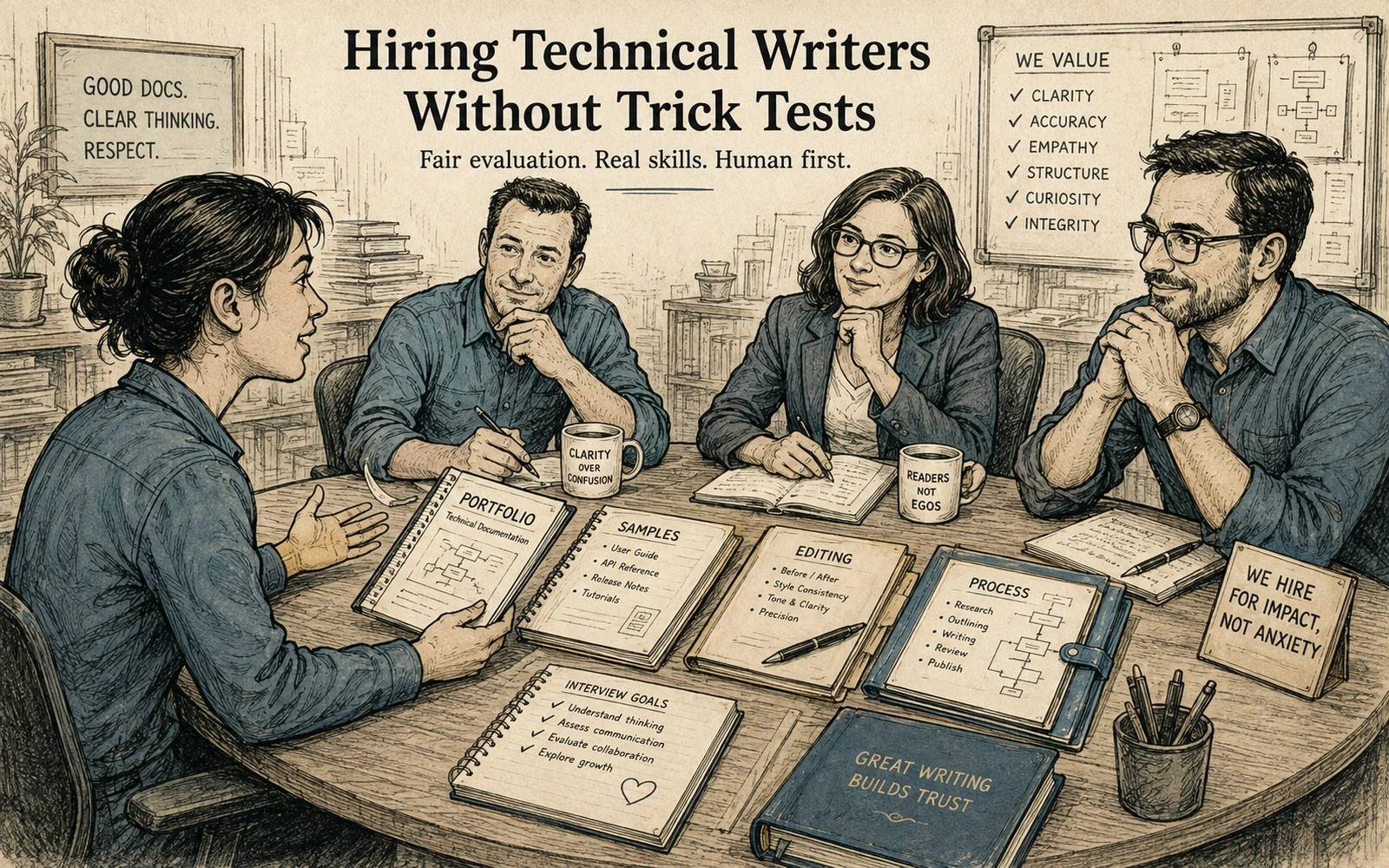
A practical hiring process should reveal how a writer understands users, verifies facts and improves information — not reward unpaid marathon assignments. Test the work the role actually requires instead of grammar puzzles and obscure trivia.
Practice
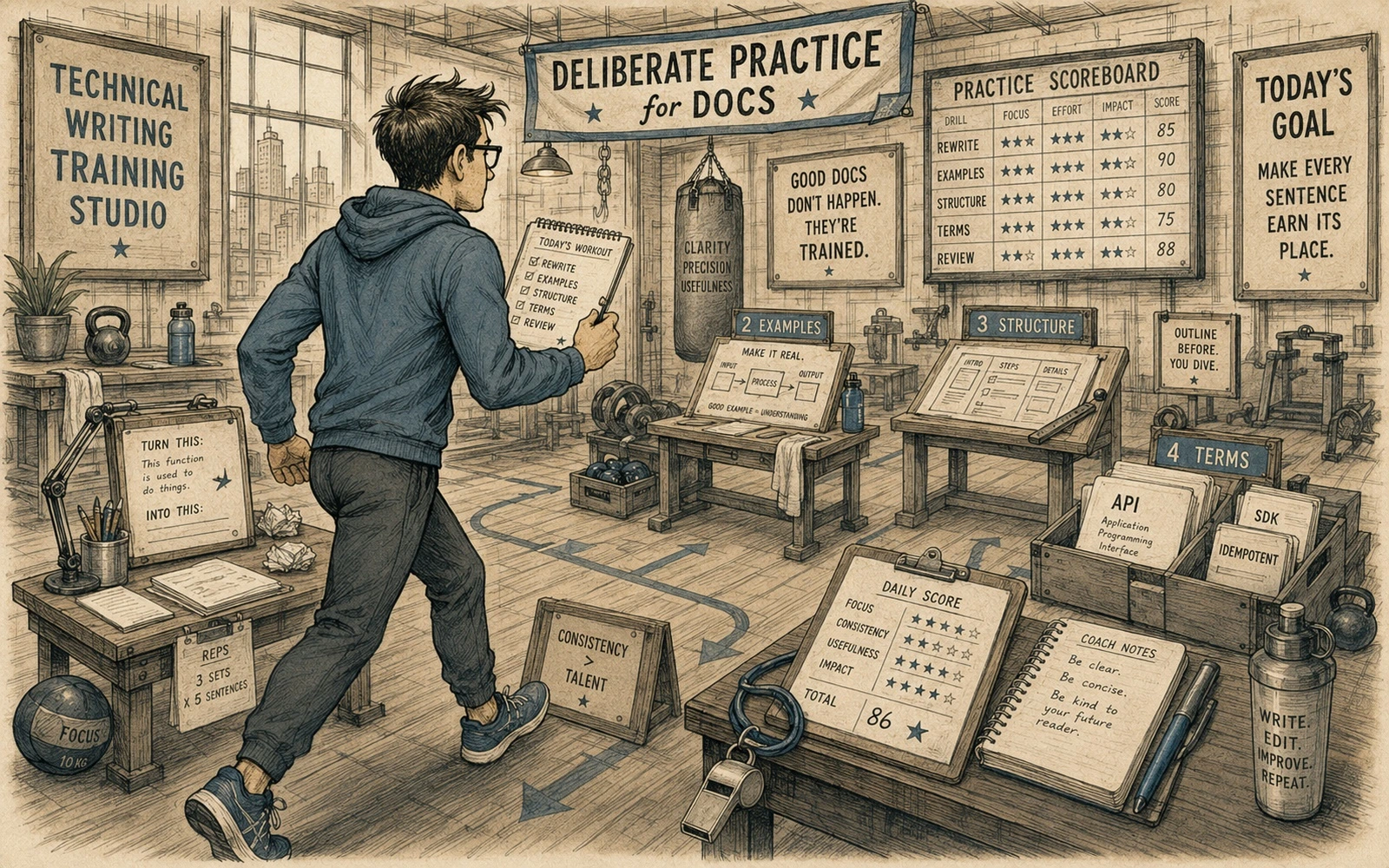
A documentation tree that works at fifty pages can fail at five hundred. Build navigation around user tasks, content types and durable concepts before the archive becomes a map of the org chart. Small documentation sets can survive almost any navigation scheme.