
Practice
Docs-as-Code does not mean forcing every writer into an IDE. This guide covers the full workflow: browser editing, Git, previews, useful automated checks, human review, publication, and a transparent way to measure time savings without inventing benchmarks.
Practice
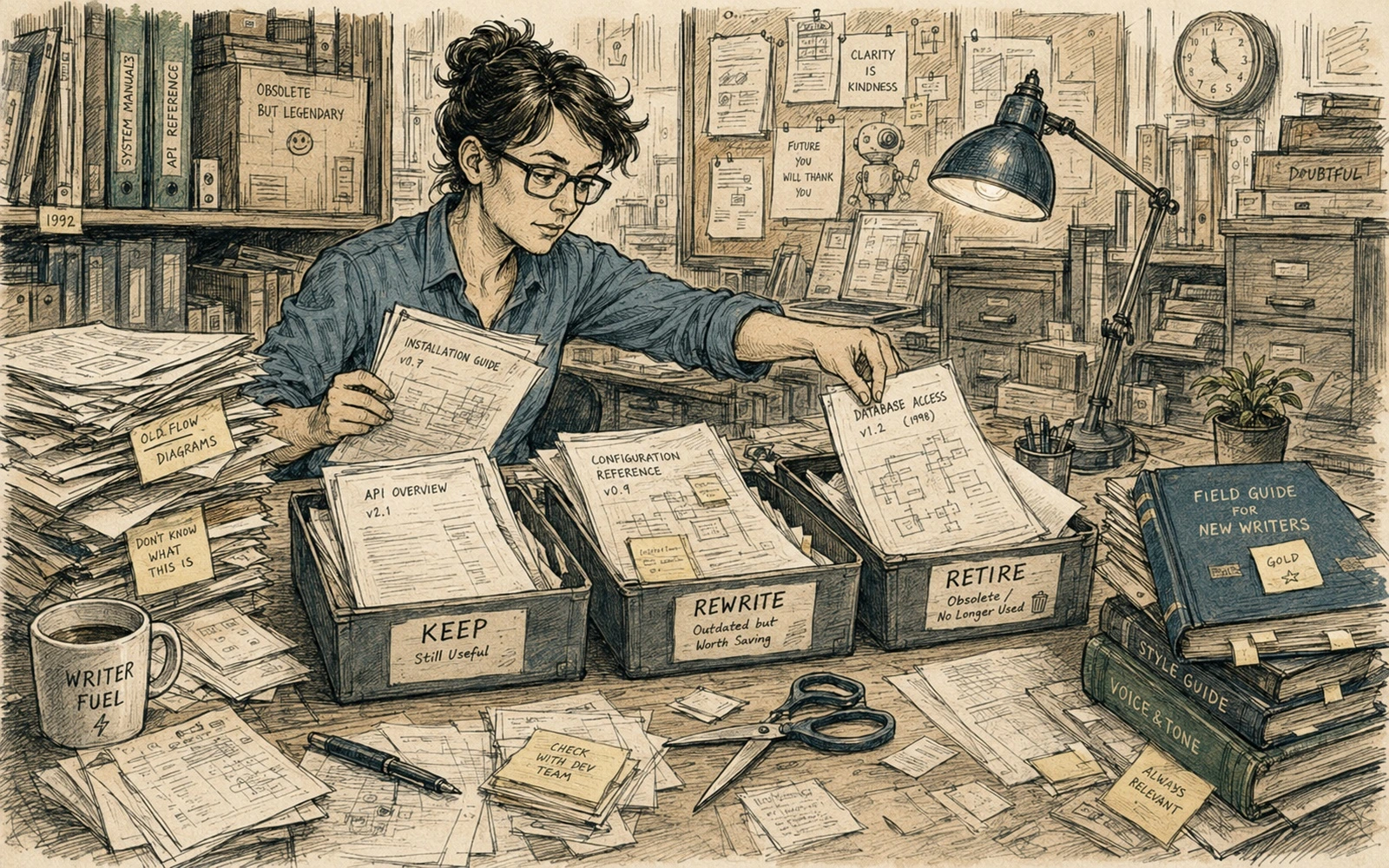
A practical way to separate harmless old pages from documentation debt that creates support work, failed tasks and release risk. Age alone does not create debt; user failure and maintenance cost do.
Practice
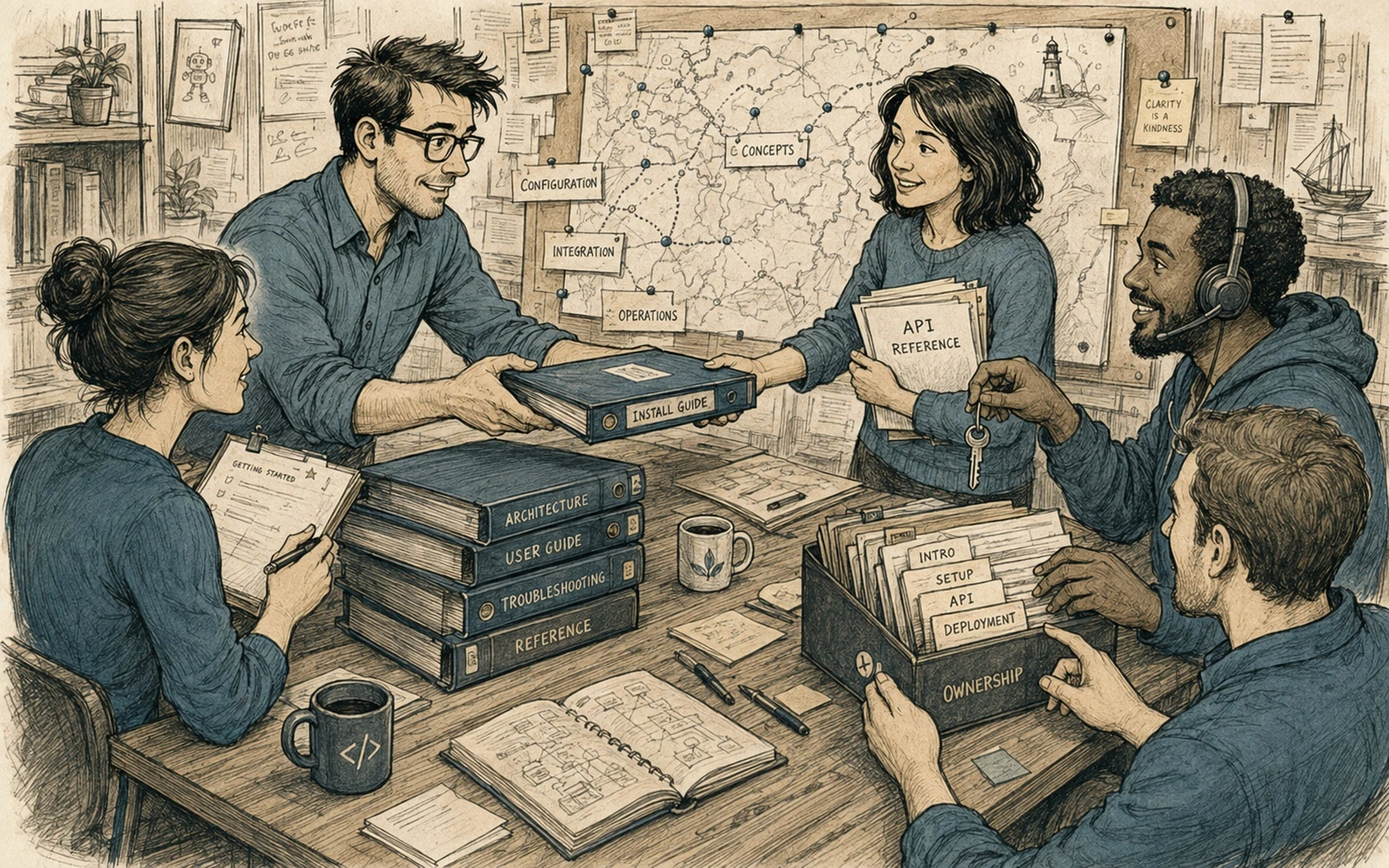
Define who decides, who reviews and who maintains each documentation area without creating a matrix nobody wants to update. Ownership means authority and responsibility for a domain, not writing every sentence.
Practice
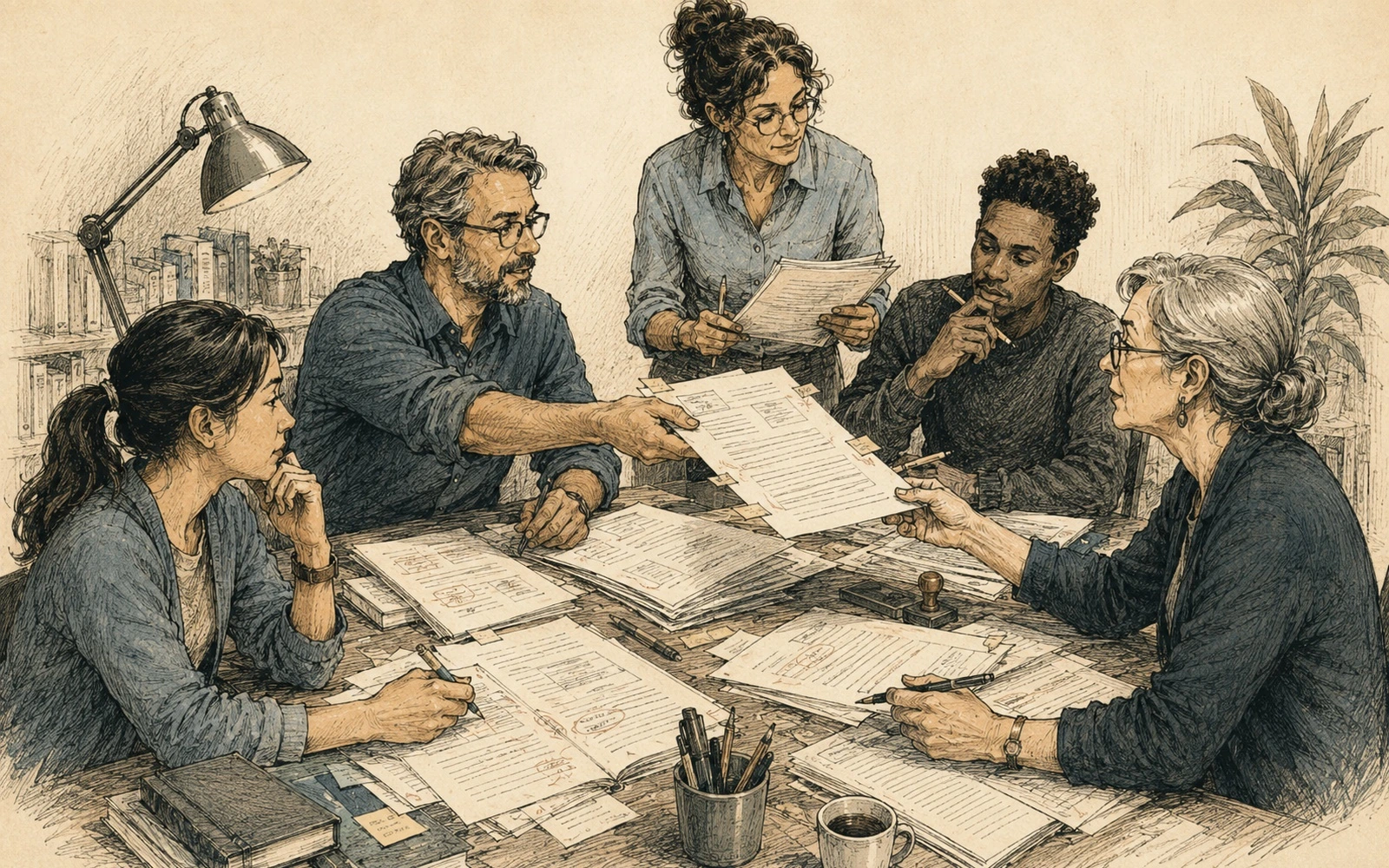
A review process should make responsibility visible, reduce waiting and separate factual, editorial and product approval. Documentation review fails when nobody knows who must act next.
Practice
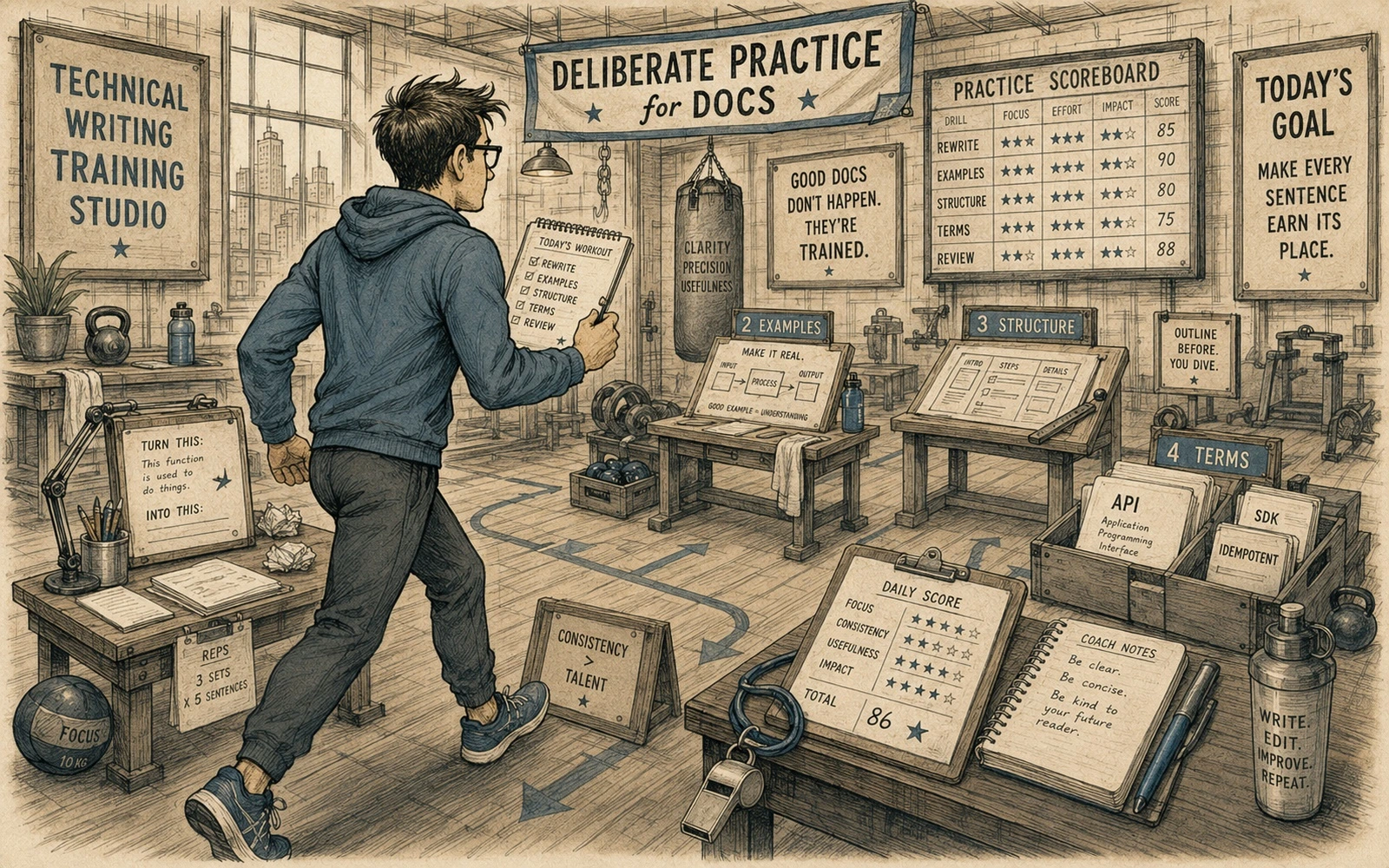
A documentation tree that works at fifty pages can fail at five hundred. Build navigation around user tasks, content types and durable concepts before the archive becomes a map of the org chart. Small documentation sets can survive almost any navigation scheme.
Practice
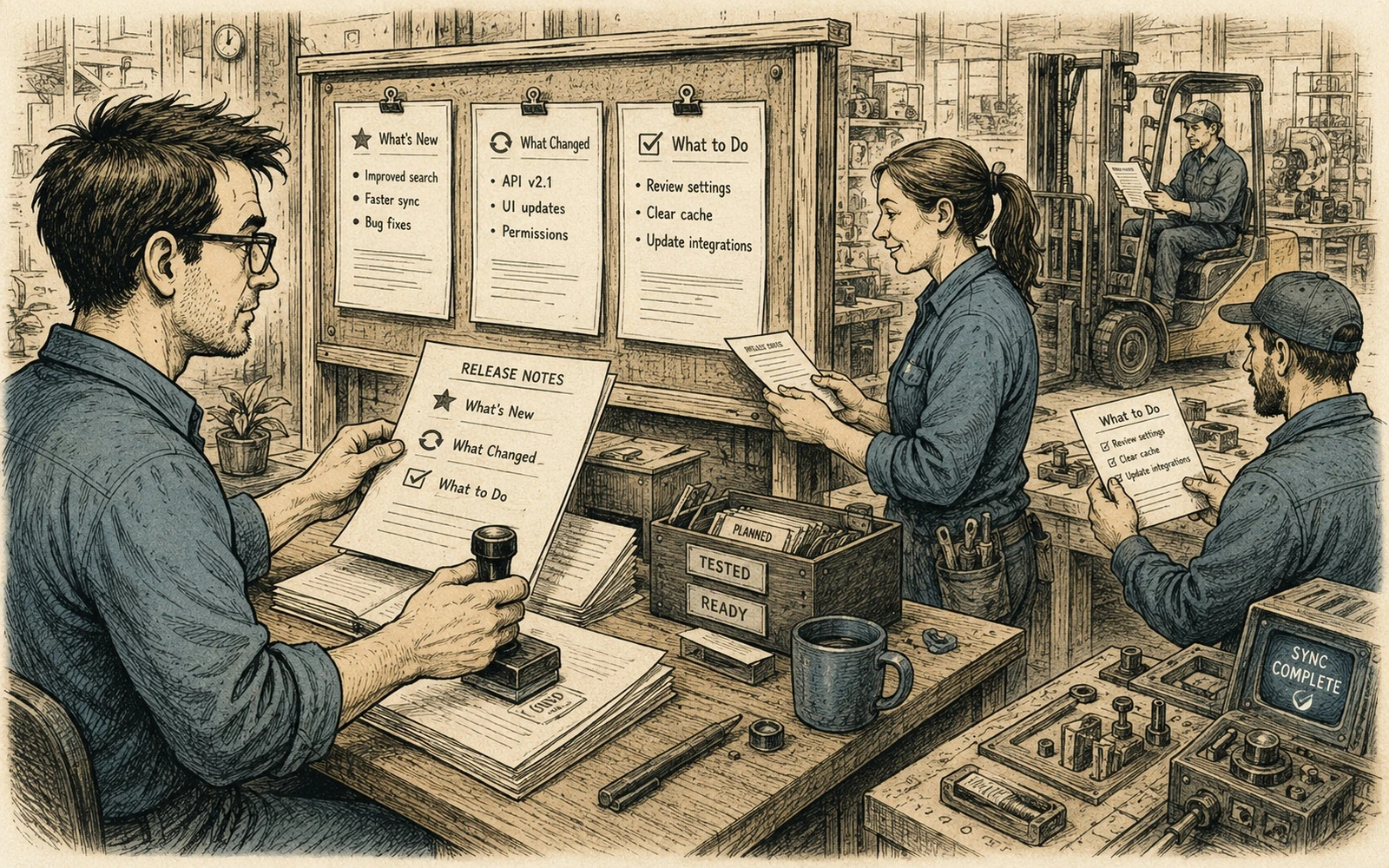
Release notes become useful when they explain consequences, decisions and required actions instead of mirroring an internal ticket list. An internal changelog is not a user message; translate implementation into consequences.