Archive
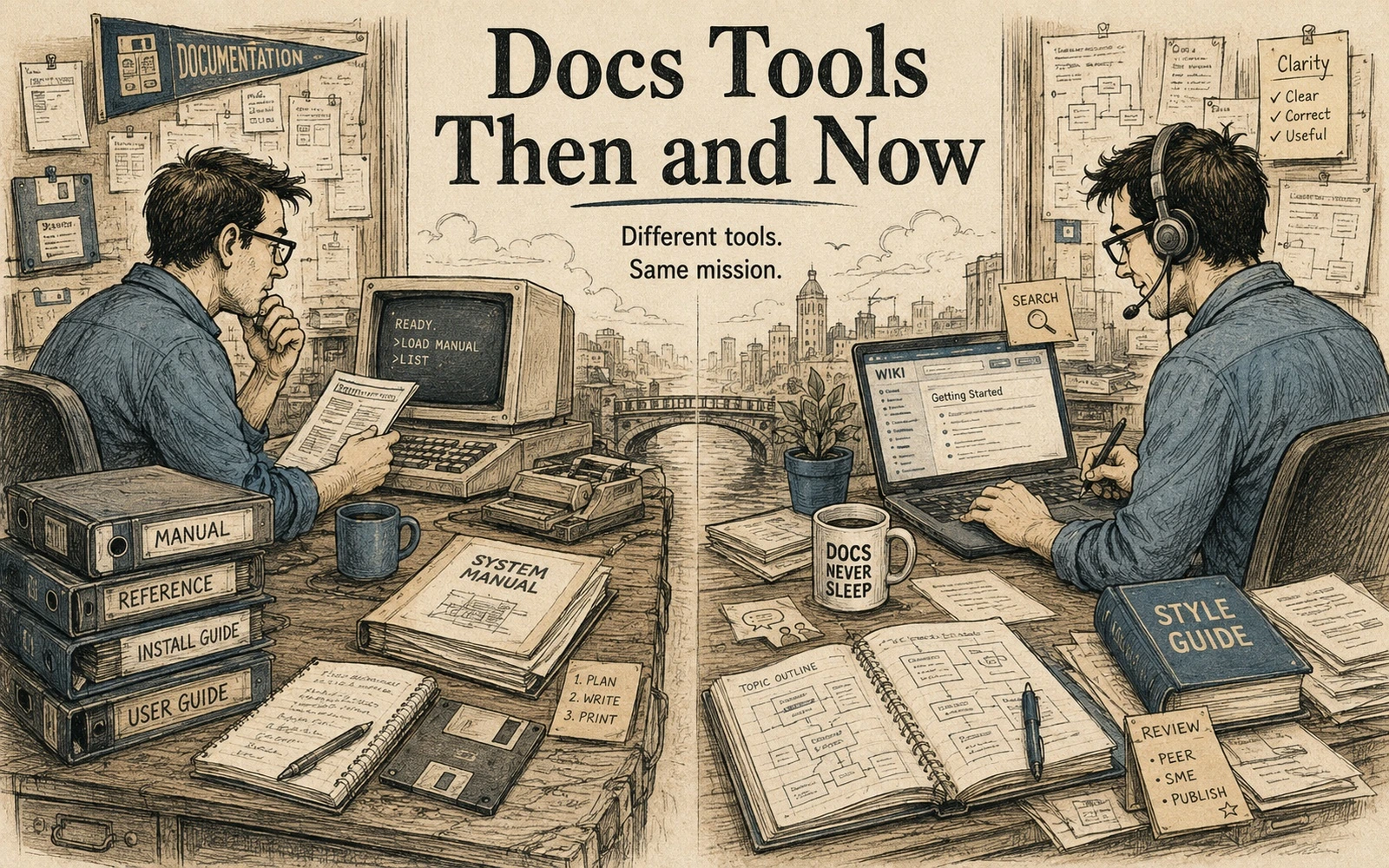
The formats and delivery pipelines changed dramatically, but the durable problems are familiar: source control, reuse, navigation, review and keeping published information synchronized with the product. Long before Docs-as-Code became a label, documentation teams struggled with multiple source files, reused fragments, versioned manuals and the question of which copy was current.
Archive
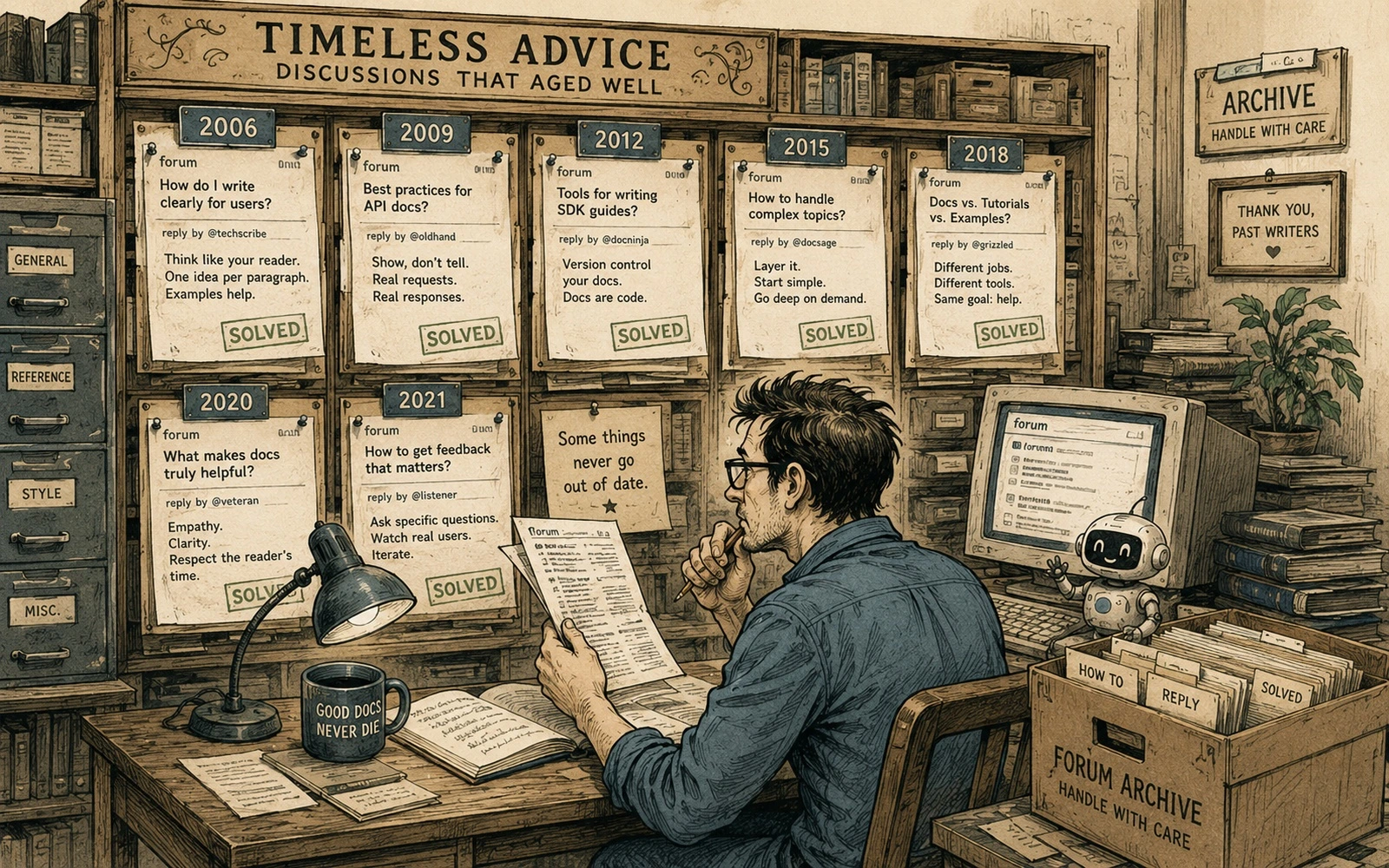
Tool names change faster than editorial problems. Questions about terminology, ownership, screenshots, reuse and review still appear in documentation teams because they are symptoms of deeper system design choices. The tooling answer changed from shared folders to repositories and ownership files, but the organizational question did not.
Archive
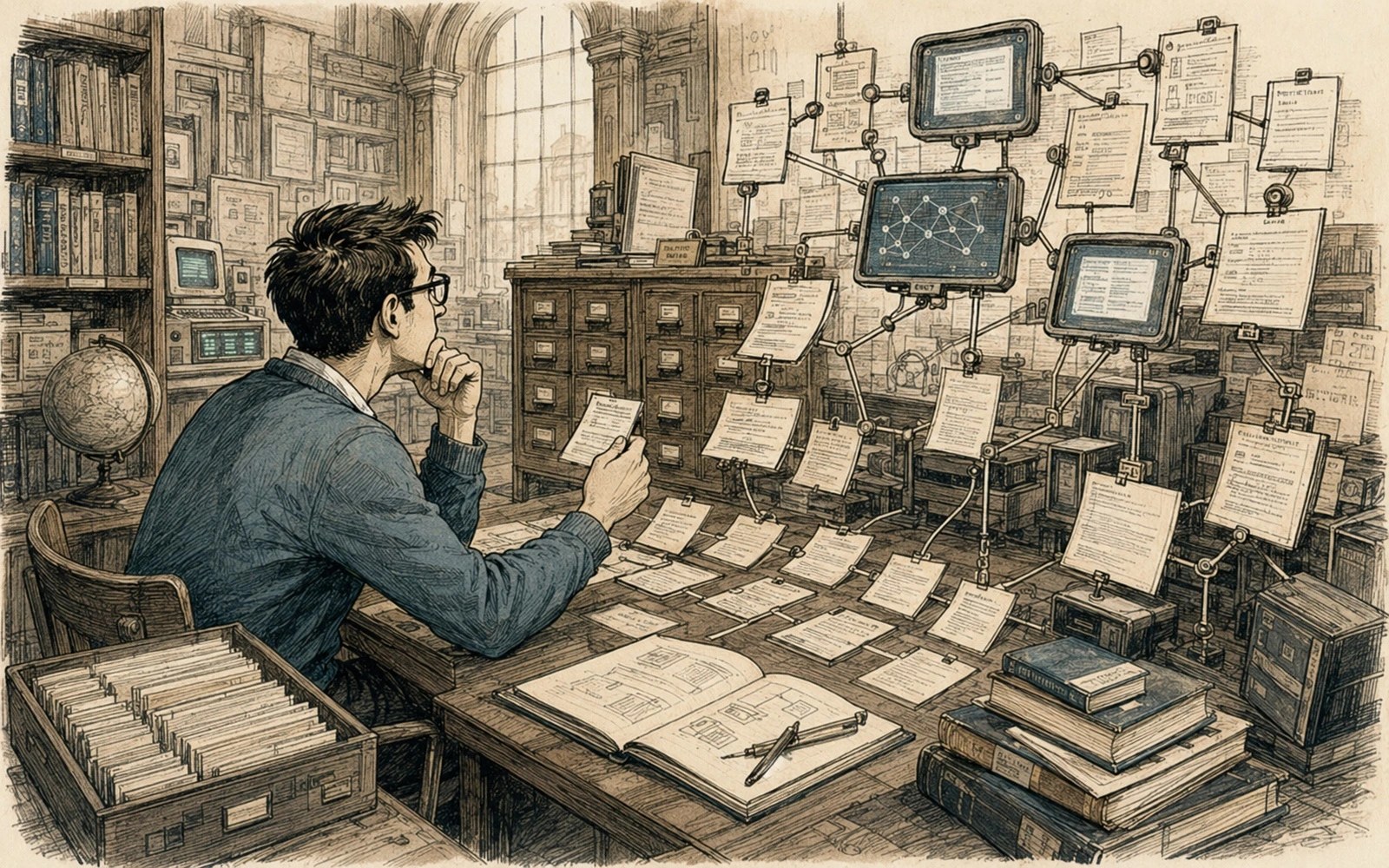
Many modern documentation patterns began as older hypertext problems: how to split information, name destinations and help readers recover when they get lost. Hypertext gave readers freedom from a linear manual and immediately created orientation problems.
Archive
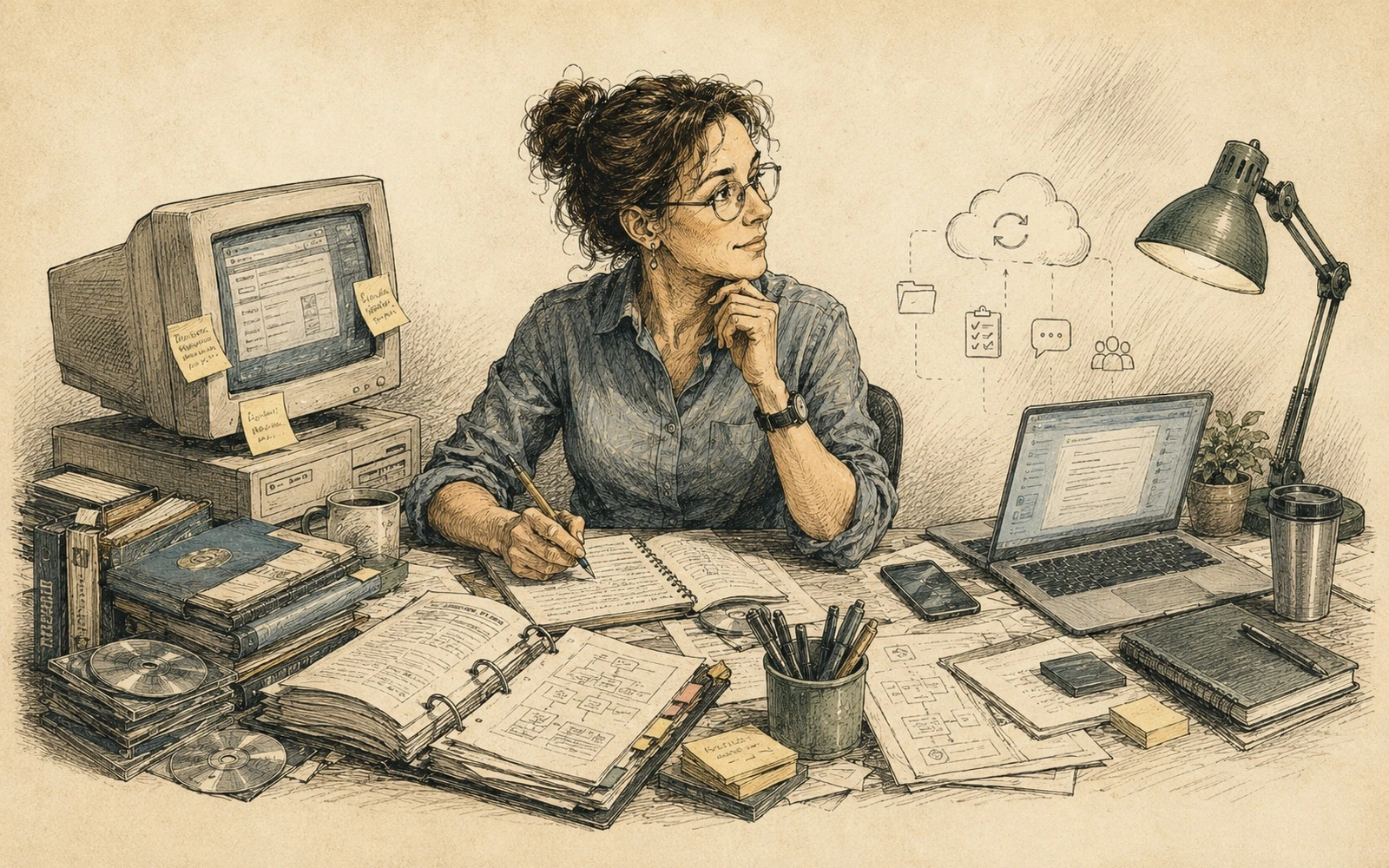
Tools changed radically, but the durable core of technical writing is surprisingly recognizable: audience, evidence, structure, terminology and responsibility. In 2006 a technical writer could spend much more time in desktop publishing tools, office formats and manually maintained help systems.
Archive
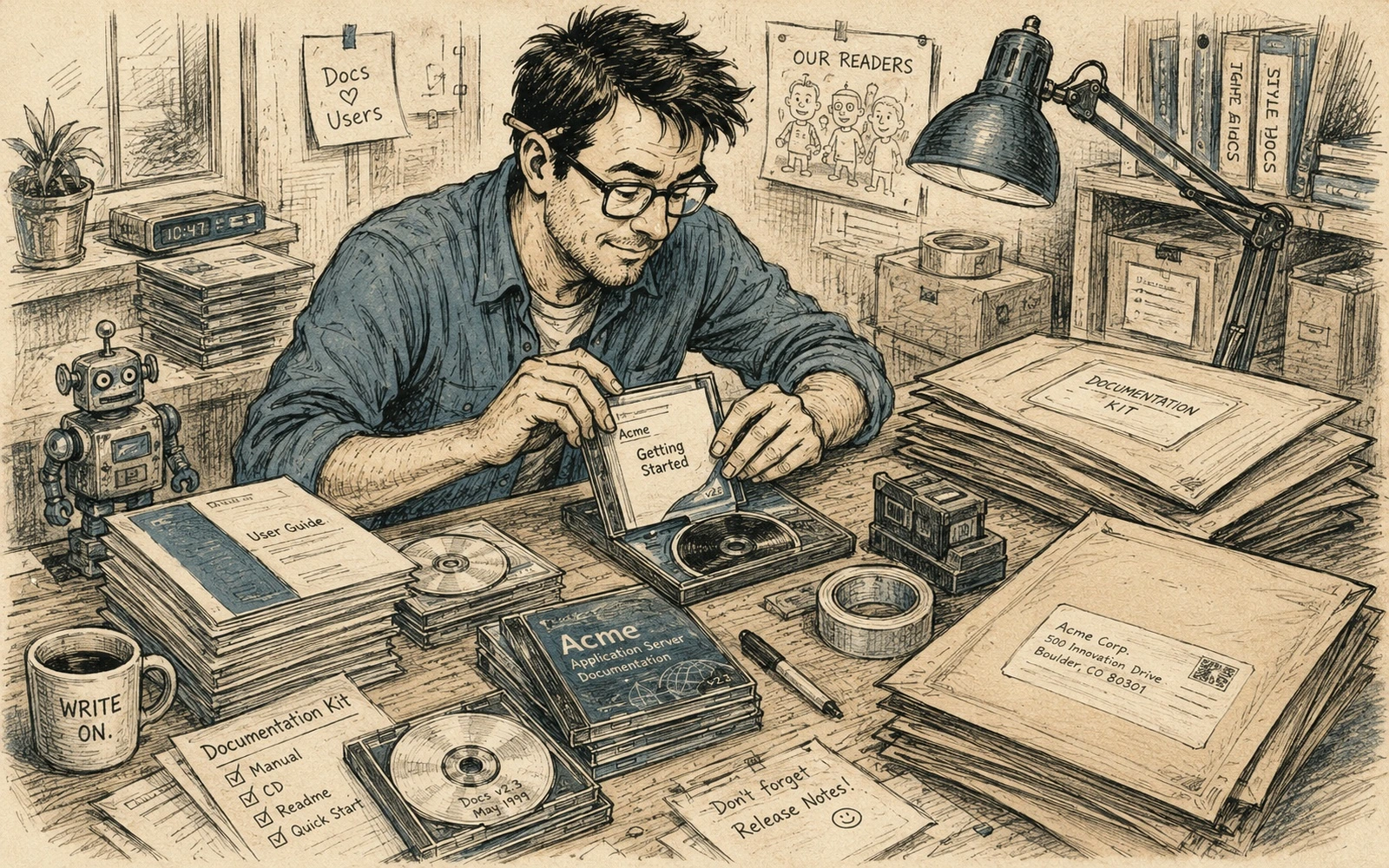
Offline documentation forced teams to think differently about versions, search, packaging and the cost of a mistake that could not be fixed after release. A physical publication deadline made content freeze, build verification and release coordination much more visible.