Review is a queue, not a ceremony
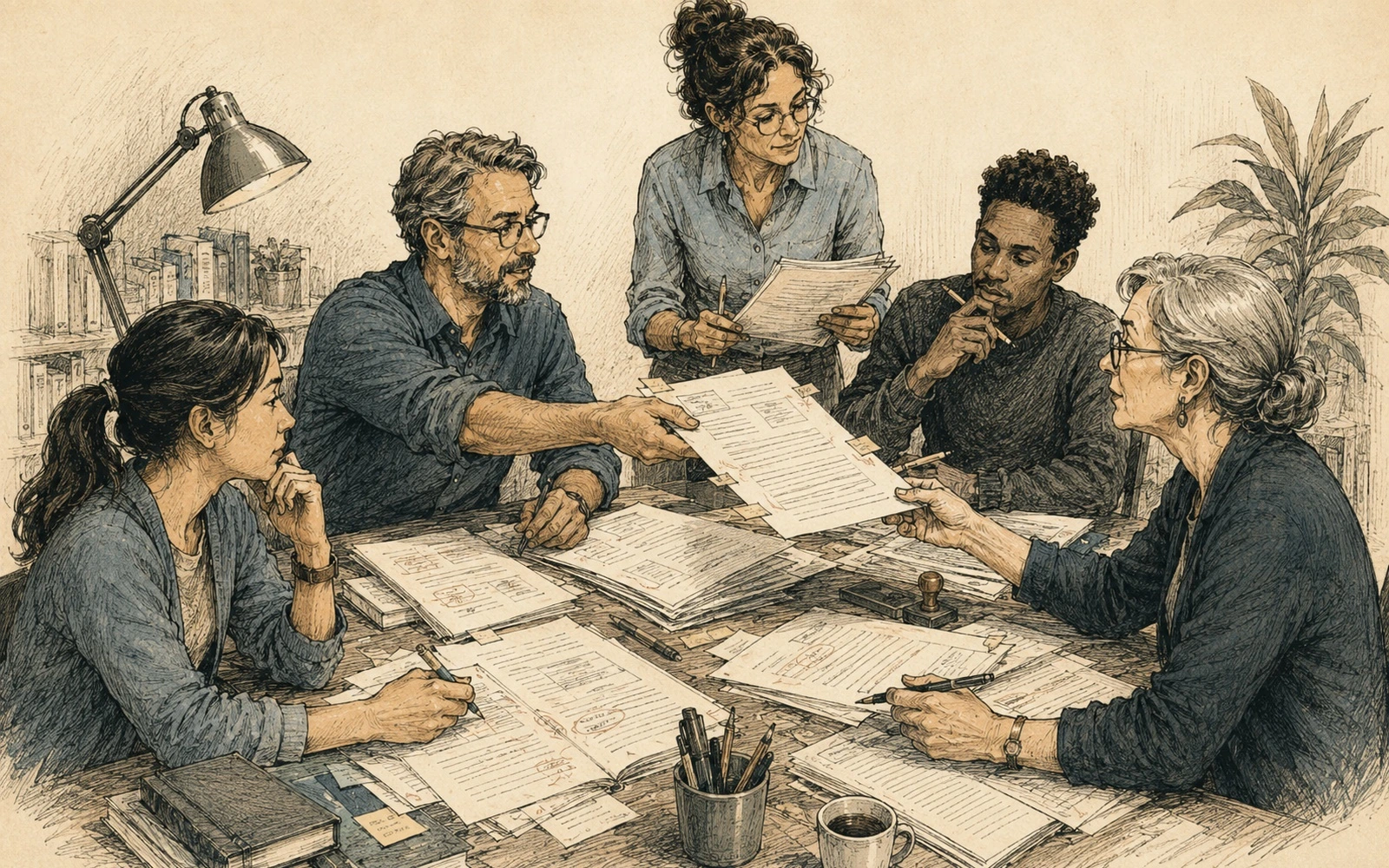
Documentation review fails when nobody knows who must act next. Define roles before defining tools: author, factual reviewer, editorial reviewer and final owner. One person may hold several roles, but the responsibility must be visible.
Ask different reviewers different questions
A subject-matter expert checks behavior, constraints and omissions. An editor checks structure, terminology and reader comprehension. A product owner checks commitments and scope. A single “looks good?” request produces shallow approval.
Make the change easy to inspect
Keep pull requests focused, show preview links and summarize what changed. Large mixed changes are difficult to review and therefore tend to receive superficial approval.
Time-box waiting
Assign reviewers explicitly and define what happens when they do not respond. Escalation is healthier than leaving a document in limbo. Measure review latency if it regularly blocks releases.
Automate what humans should not debate
Links, metadata, spelling rules, terminology and build validity belong in automation where possible. Human attention should be spent on correctness, usefulness and risk.
A good review system does not maximize the number of approvals. It makes the right responsibility appear at the right moment.
Applied example
To make the ideas in “How to organize documentation review” operational, take one piece of documentation that is actually changing this week: a procedure, release page, onboarding step, troubleshooting article or ownership record. Make a working copy and write down four things before editing it: who uses it, what event makes it change, who can verify the facts, and what the reader should be able to do when finished. That small inventory exposes hidden assumptions faster than a general “improve the docs” task.
Run one realistic change through the workflow from start to finish. Do not redesign the whole system. Change one fact, one step or one responsibility and observe where the process slows down or loses information. A useful review asks:
- Can the reader identify the expected outcome without asking the author?
- Is there a clear owner for the next update?
- Can a reviewer verify the changed fact from the product or process itself?
- Does the page still make sense if an old screenshot, note or workaround is removed?
The point is to test the method under a real maintenance event. Documentation practices become trustworthy when they survive change, not when they look tidy in a static example.
Quick editorial checklist
- Review is a queue, not a ceremony. Documentation review fails when nobody knows who must act next.
- Ask different reviewers different questions. A subject-matter expert checks behavior, constraints and omissions.
- Make the change easy to inspect. Keep pull requests focused, show preview links and summarize what changed.
- Time-box waiting. Assign reviewers explicitly and define what happens when they do not respond.