Define the problem
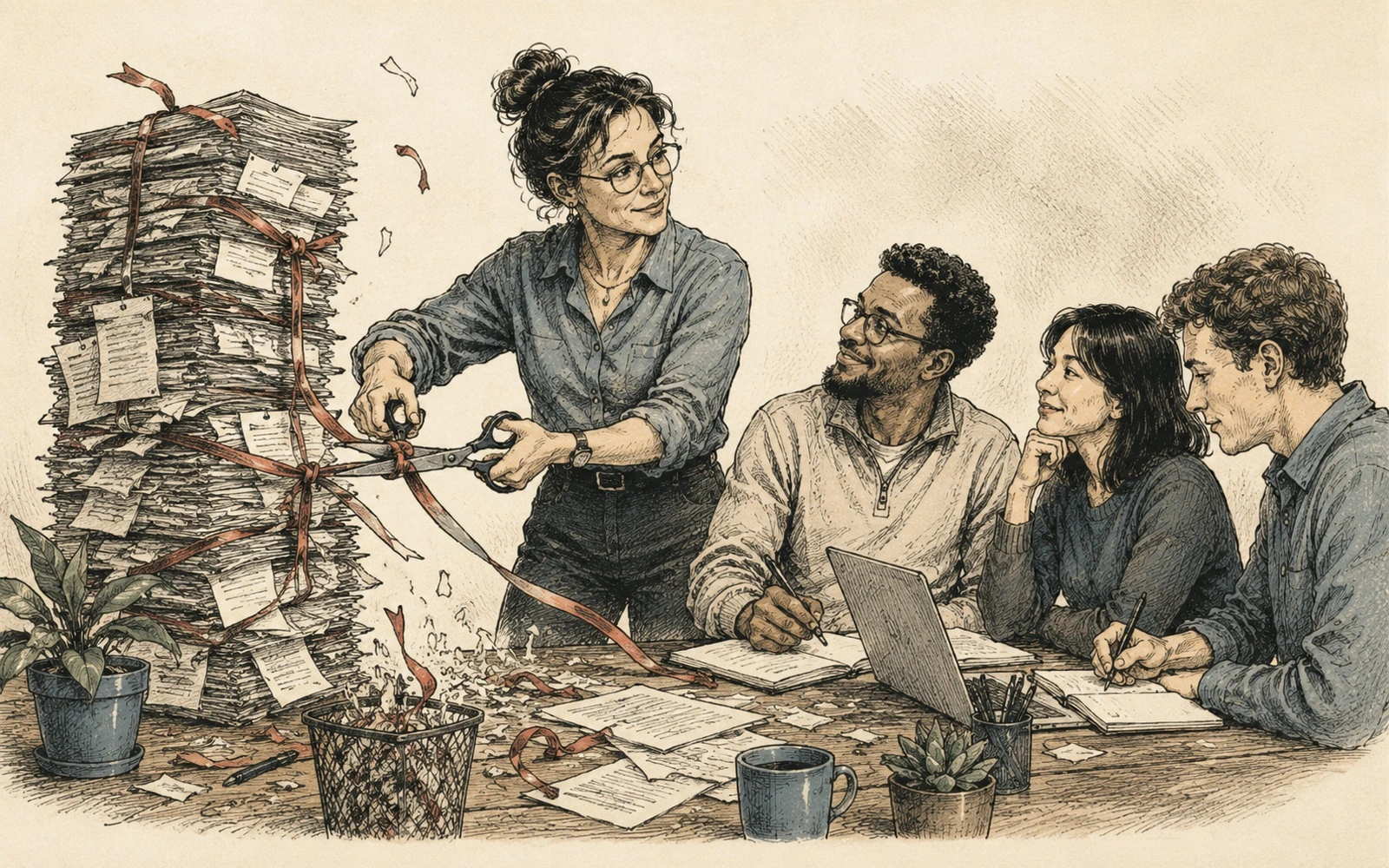
Ask experts for decisions and verification, not an undefined request for feedback. A writer gets better answers by asking about decisions, constraints and failure modes instead of requesting a general “explanation of the feature.”
Choose a useful model
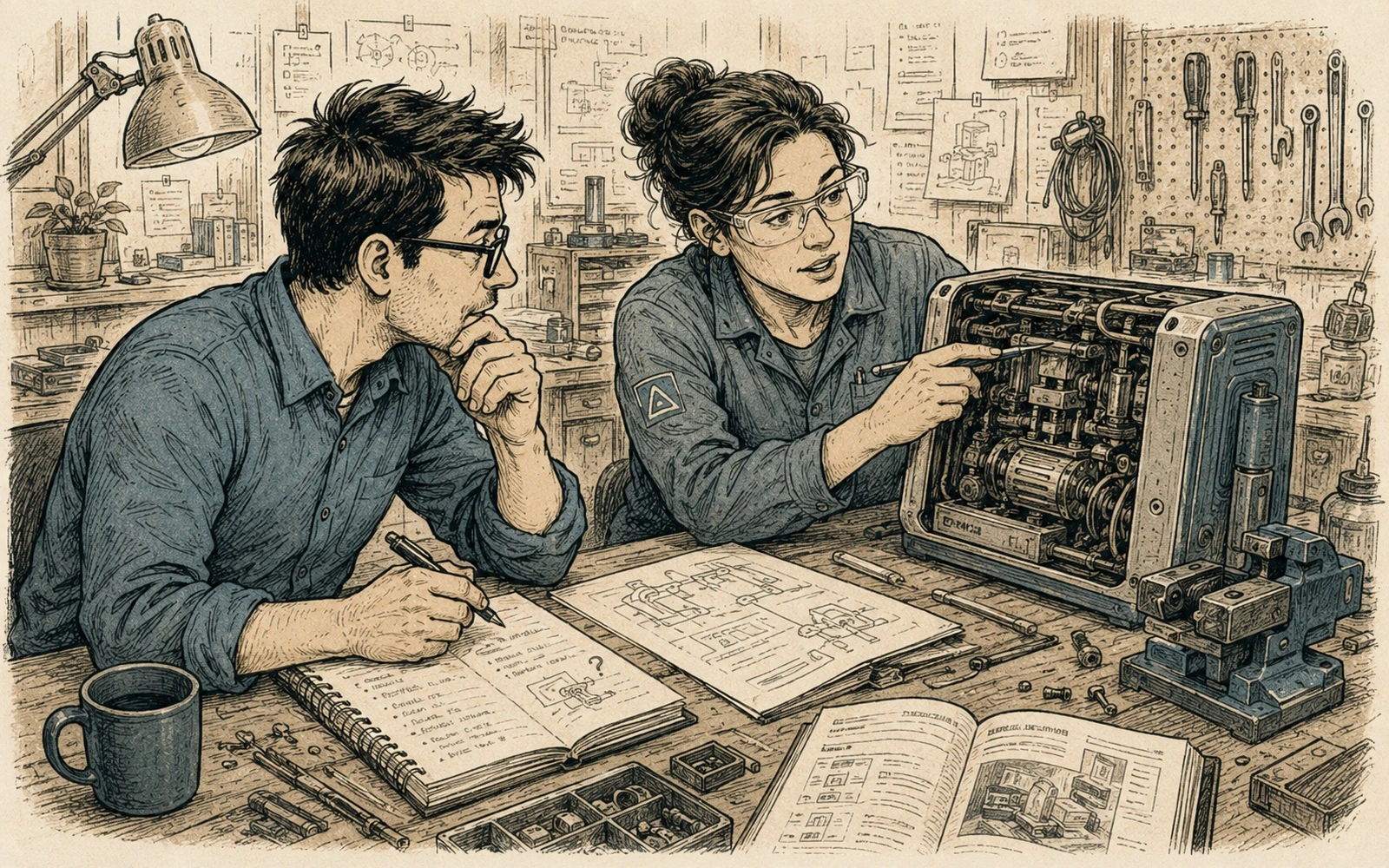
Prepare by reading tickets, inspecting the product and listing contradictions before the conversation. Prepare a short question set before the interview and separate what can be verified in the product from what only the expert can confirm.
Build the workflow
Keep responsibility for prose with the writer; experts should correct facts, not rewrite every paragraph. Bring a draft or concrete example early; experts review visible claims faster than they invent structure from a blank page.
Check the result
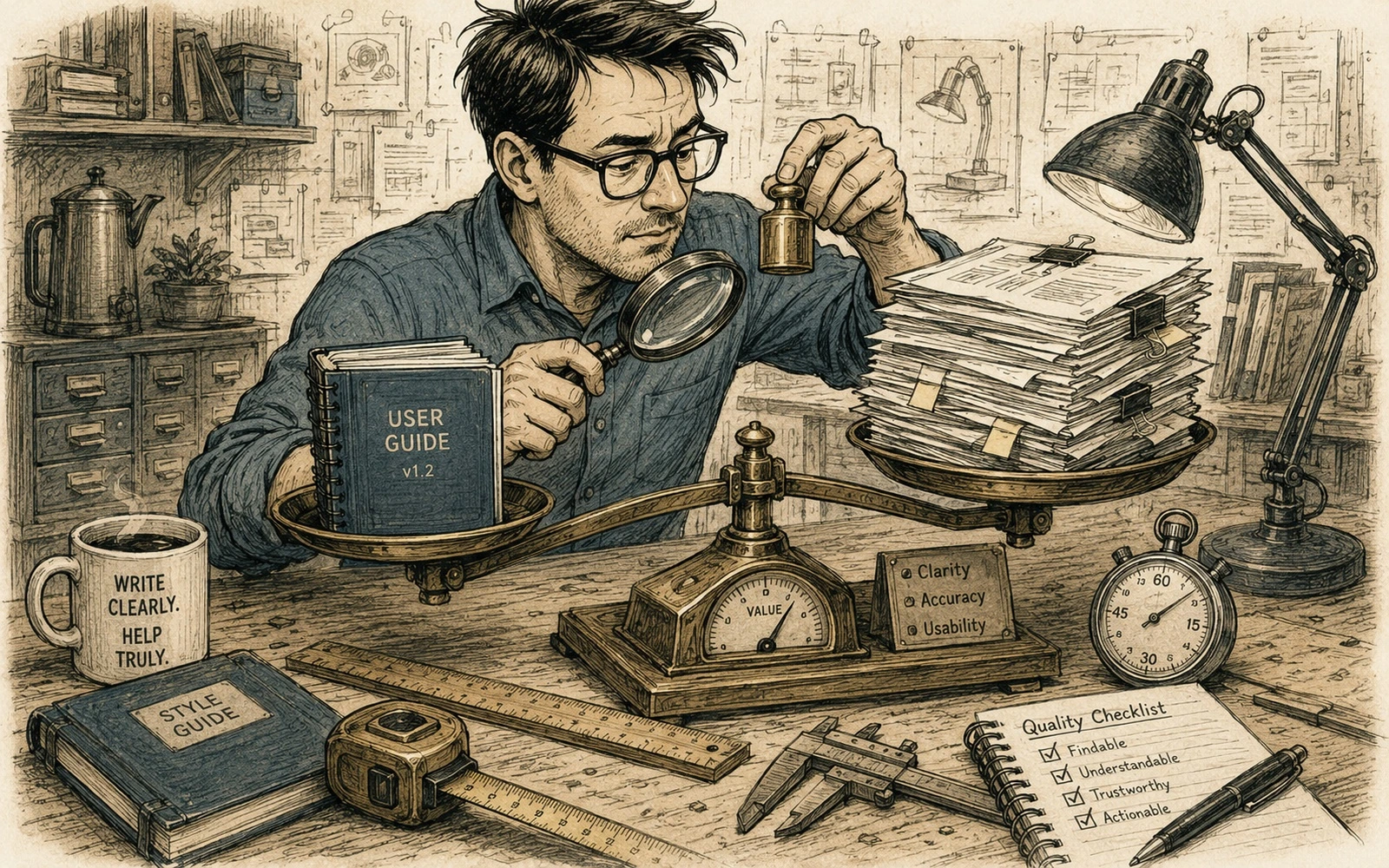
Track unresolved technical questions separately from copy edits so polished text is not mistaken for verified behavior. When answers conflict, record the disagreement and resolve it with the product owner rather than silently choosing the most confident voice.
Keep it maintainable
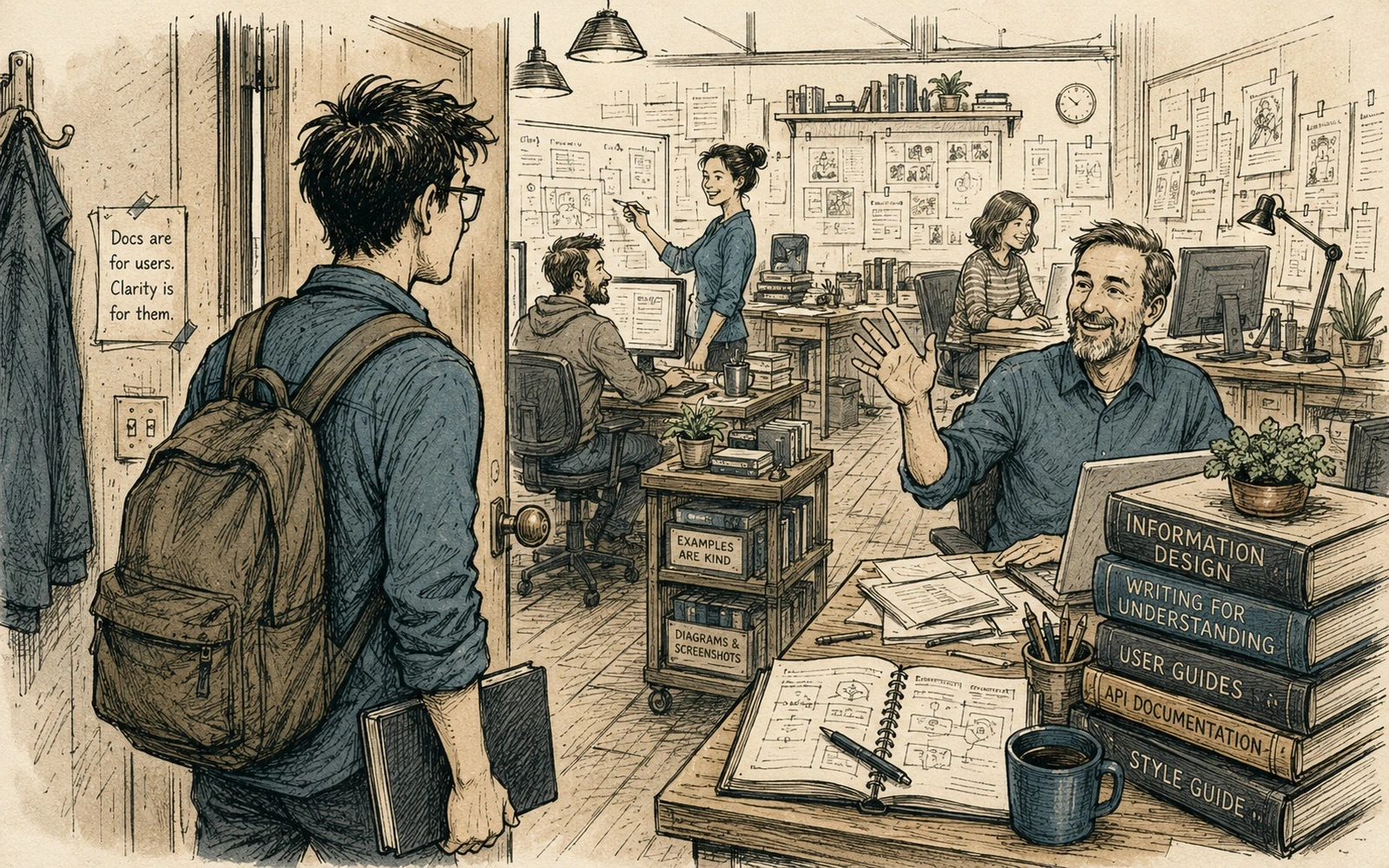
Use meetings for genuine ambiguity and keep the document as the durable record afterwards. The goal is to reduce expert time over repeated releases by turning recurring explanations into stable documentation and review rules.
Applied example
Use “How to work with subject-matter experts without turning every review into a meeting” as a team exercise rather than a statement about job titles. Pick one recent documentation task and reconstruct who made each important decision: who discovered the user need, who found the technical facts, who designed the structure, who reviewed it, and who will own the next revision. This usually reveals that the profession is defined less by a fixed list of tools than by the decisions a person can make reliably.
Then compare the task with the capability you actually want to develop or hire for. Ask the team to describe observable evidence instead of personality labels:
- What problem can the person own without step-by-step supervision?
- Which stakeholders can they interview and challenge constructively?
- What quality risks can they detect before publication?
- What documentation system or process can they improve, not merely use?
A useful professional model should help a person choose the next difficult problem to practice. If it only produces labels such as “junior”, “senior”, “good communicator” or “tool expert”, it is too vague to guide growth or hiring.
Quick editorial checklist
- Define the problem. Ask experts for decisions and verification, not an undefined request for feedback.
- Choose a useful model. Prepare by reading tickets, inspecting the product and listing contradictions before the conversation.
- Build the workflow. Keep responsibility for prose with the writer; experts should correct facts, not rewrite every paragraph.
- Check the result. Track unresolved technical questions separately from copy edits so polished text is not mistaken for verified behavior.