The build is the first reviewer
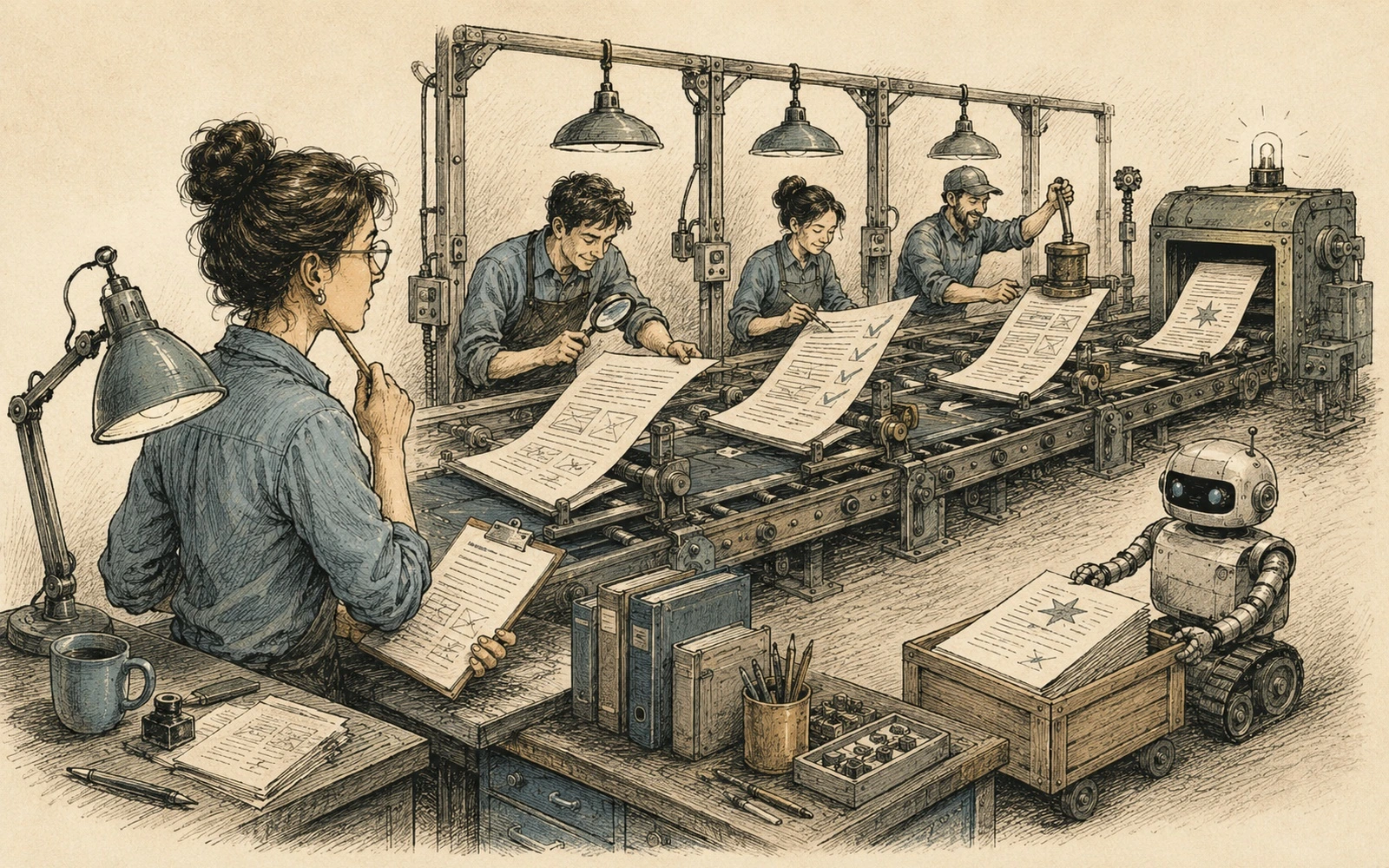
CI cannot decide whether an explanation is useful, but it can reject many predictable defects before a human spends time on them. Treat the documentation build as a quality gate, not only as a publishing mechanism.
Start with deterministic checks
Build the site, validate frontmatter, detect broken internal links and fail on missing assets. Add style or terminology rules only when the team agrees they are worth enforcing.
Test examples where risk justifies it
Shell commands, API requests and code snippets can often be tested. Not every snippet needs execution, but critical onboarding and deployment examples should not rely on hope.
Generate previews for review
A rendered preview catches layout, navigation and context problems that are invisible in a text diff. Make preview URLs easy to open from the pull request.
Keep CI fast and understandable
A documentation pipeline that takes twenty minutes or reports hundreds of vague warnings will be bypassed. Cache dependencies, split slow checks and make failures explain themselves.
Publication is the last step
Once validation is trustworthy, deployment can become automatic on the approved branch. The important principle is not automation for its own sake: every published version should be reproducible from a specific repository state.
Applied example
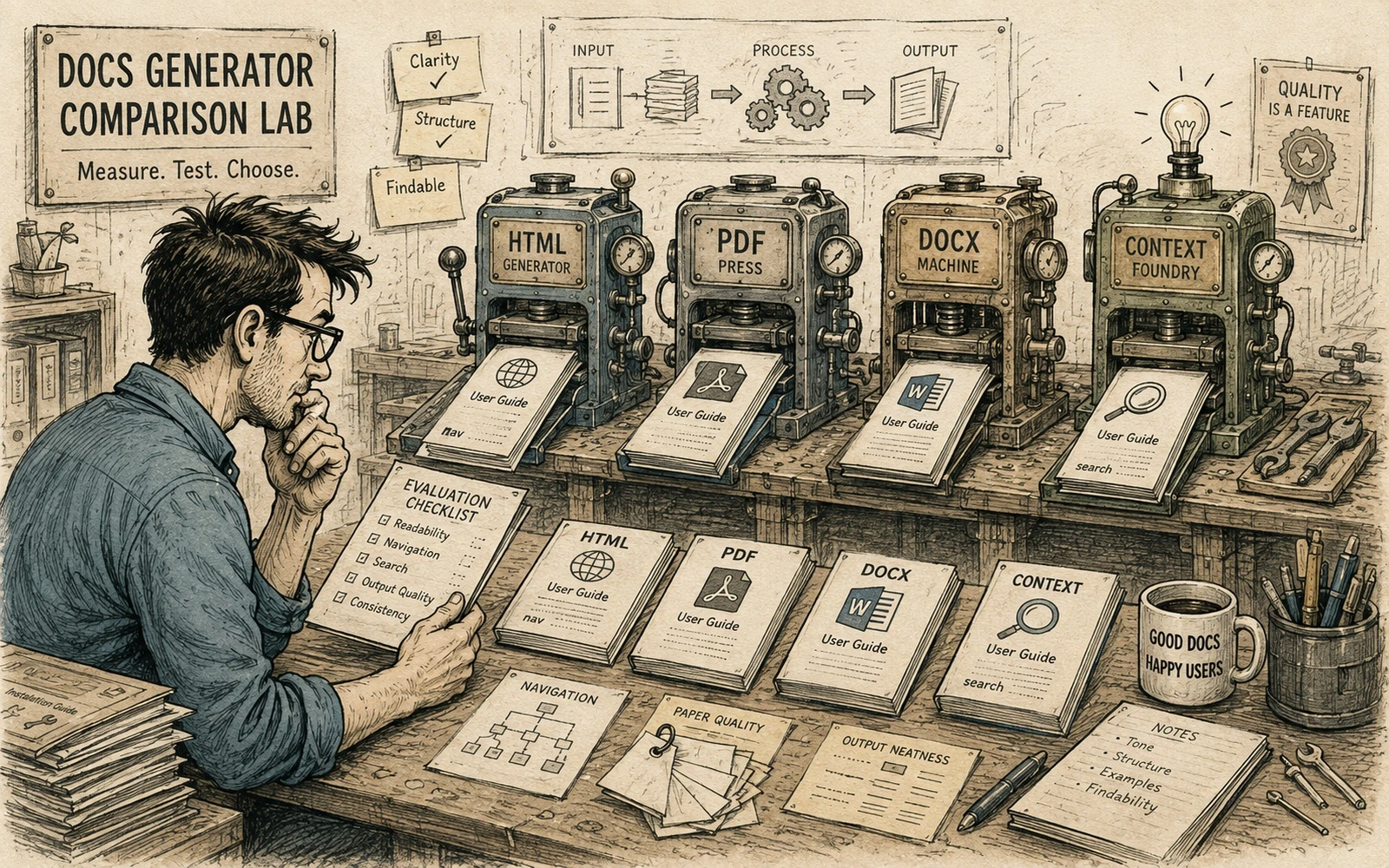
Treat “Documentation in CI/CD” as a small evaluation, not a feature-list comparison. Choose three representative content samples from your own work: one simple page, one page with code or structured data, and one awkward page with navigation, reuse or localization requirements. Run all three through the tool or method and record what becomes easier and what new maintenance cost appears.
Judge the result on work your team will repeat every week:
- Can an author understand the source without specialized knowledge?
- Can a reviewer see a meaningful diff?
- Can the build fail with an error that points to a fixable problem?
- Can content be moved, localized or reused without manual cleanup?
Do not reward a tool for producing an impressive demo that your real content cannot sustain. A good documentation tool reduces uncertainty in authoring, review and publishing. If it shifts complexity into hidden configuration, fragile plugins or one expert’s memory, include that cost in the decision.
Quick editorial checklist
- The build is the first reviewer. CI cannot decide whether an explanation is useful, but it can reject many predictable defects before a human spends time on them.
- Start with deterministic checks. Build the site, validate frontmatter, detect broken internal links and fail on missing assets.
- Test examples where risk justifies it. Shell commands, API requests and code snippets can often be tested.
- Generate previews for review. A rendered preview catches layout, navigation and context problems that are invisible in a text diff.