Define the problem
Search is most valuable when readers know a term or symptom but not where the information lives. Documentation search should be selected around reader tasks, corpus shape and update latency rather than a feature checklist from a search vendor.
Choose a useful model
Collect empty results, reformulations and searches that lead to support, then classify vocabulary, content, ranking and indexing failures. Decide what must be indexed: titles, headings, body text, API symbols, version metadata and language are not equally useful in every portal.
Build the workflow
Evaluate real query results instead of vendor feature counts. Test ranking with a maintained set of real queries, including misspellings, old terminology and queries that should return no confident answer.
Check the result
Exclude duplicate builds, obsolete versions and fragments that should not compete with canonical content. Inspect zero-result and reformulation patterns after launch; they reveal vocabulary and information-architecture problems that tuning alone cannot fix.
Keep it maintainable
Treat search logs as editorial evidence about terminology and information architecture. Keep search configuration versioned with the docs so synonyms, boosts and filters can be reviewed like other editorial behavior.
Applied example
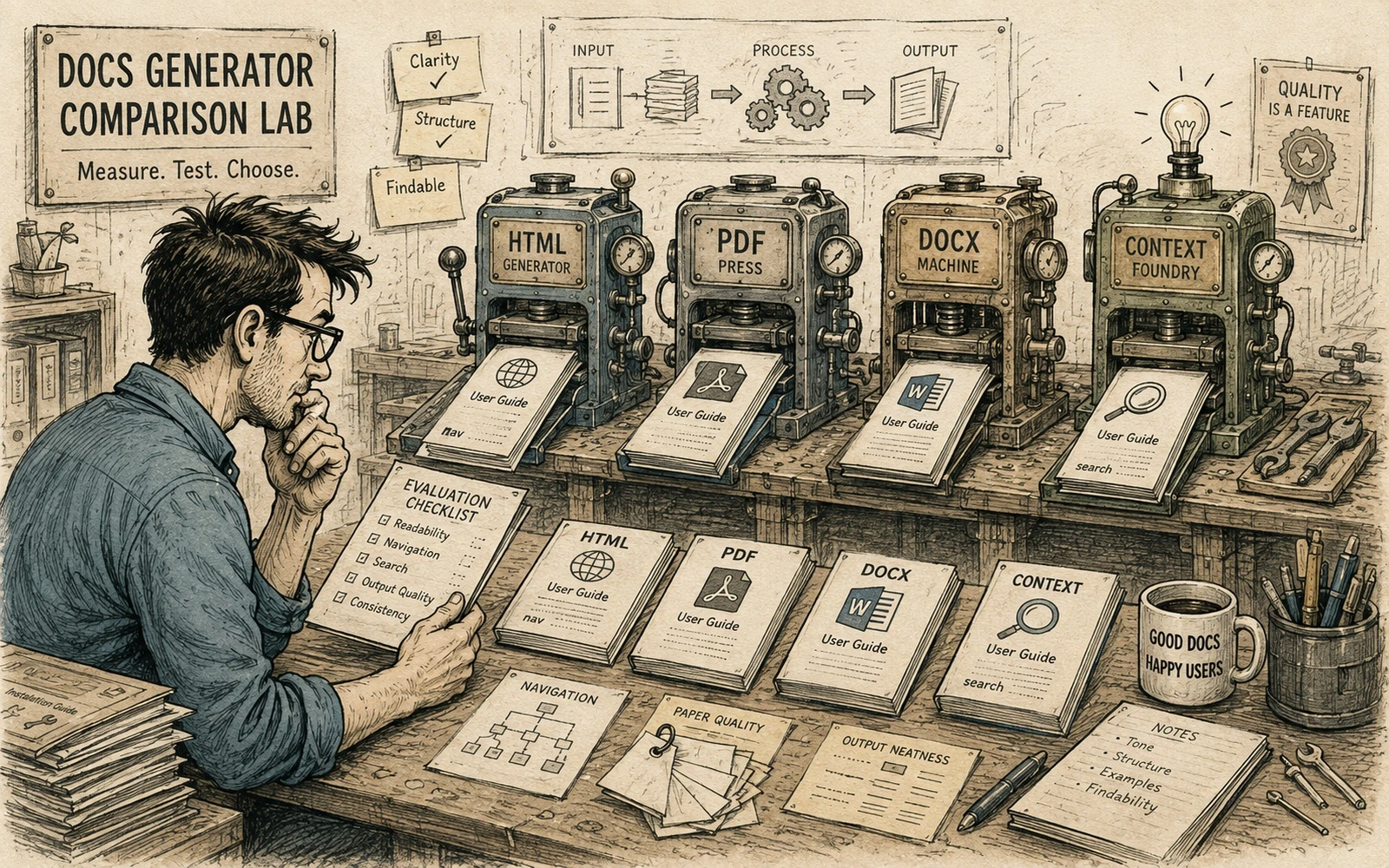
Treat “Choosing search for documentation: start with failure modes” as a small evaluation, not a feature-list comparison. Choose three representative content samples from your own work: one simple page, one page with code or structured data, and one awkward page with navigation, reuse or localization requirements. Run all three through the tool or method and record what becomes easier and what new maintenance cost appears.
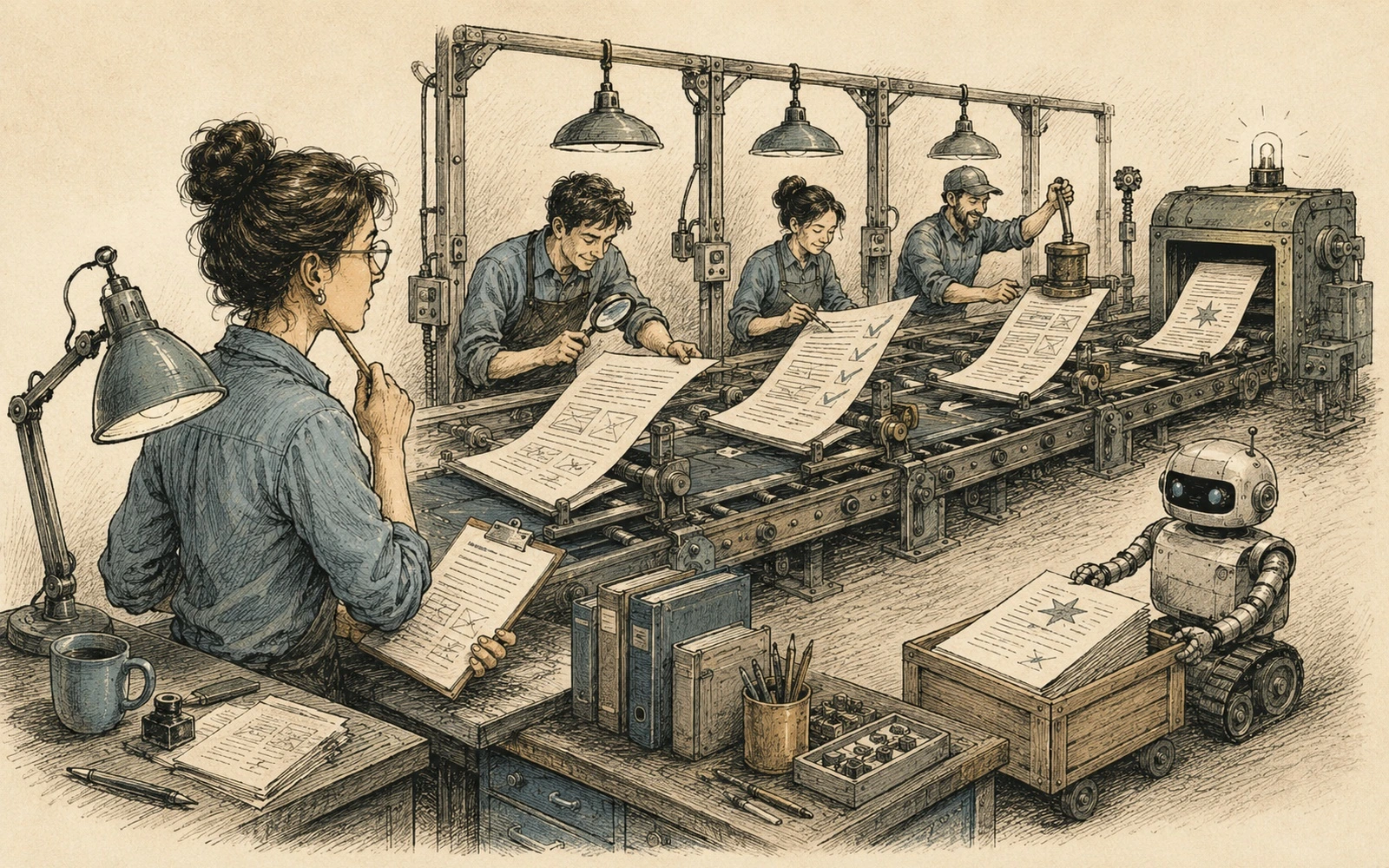
Judge the result on work your team will repeat every week:
- Can an author understand the source without specialized knowledge?
- Can a reviewer see a meaningful diff?
- Can the build fail with an error that points to a fixable problem?
- Can content be moved, localized or reused without manual cleanup?
Do not reward a tool for producing an impressive demo that your real content cannot sustain. A good documentation tool reduces uncertainty in authoring, review and publishing. If it shifts complexity into hidden configuration, fragile plugins or one expert’s memory, include that cost in the decision.
Quick editorial checklist
- Define the problem. Search is most valuable when readers know a term or symptom but not where the information lives.
- Choose a useful model. Collect empty results, reformulations and searches that lead to support, then classify vocabulary, content, ranking and indexing failures.
- Build the workflow. Evaluate real query results instead of vendor feature counts.
- Check the result. Exclude duplicate builds, obsolete versions and fragments that should not compete with canonical content.