AI & Documentation
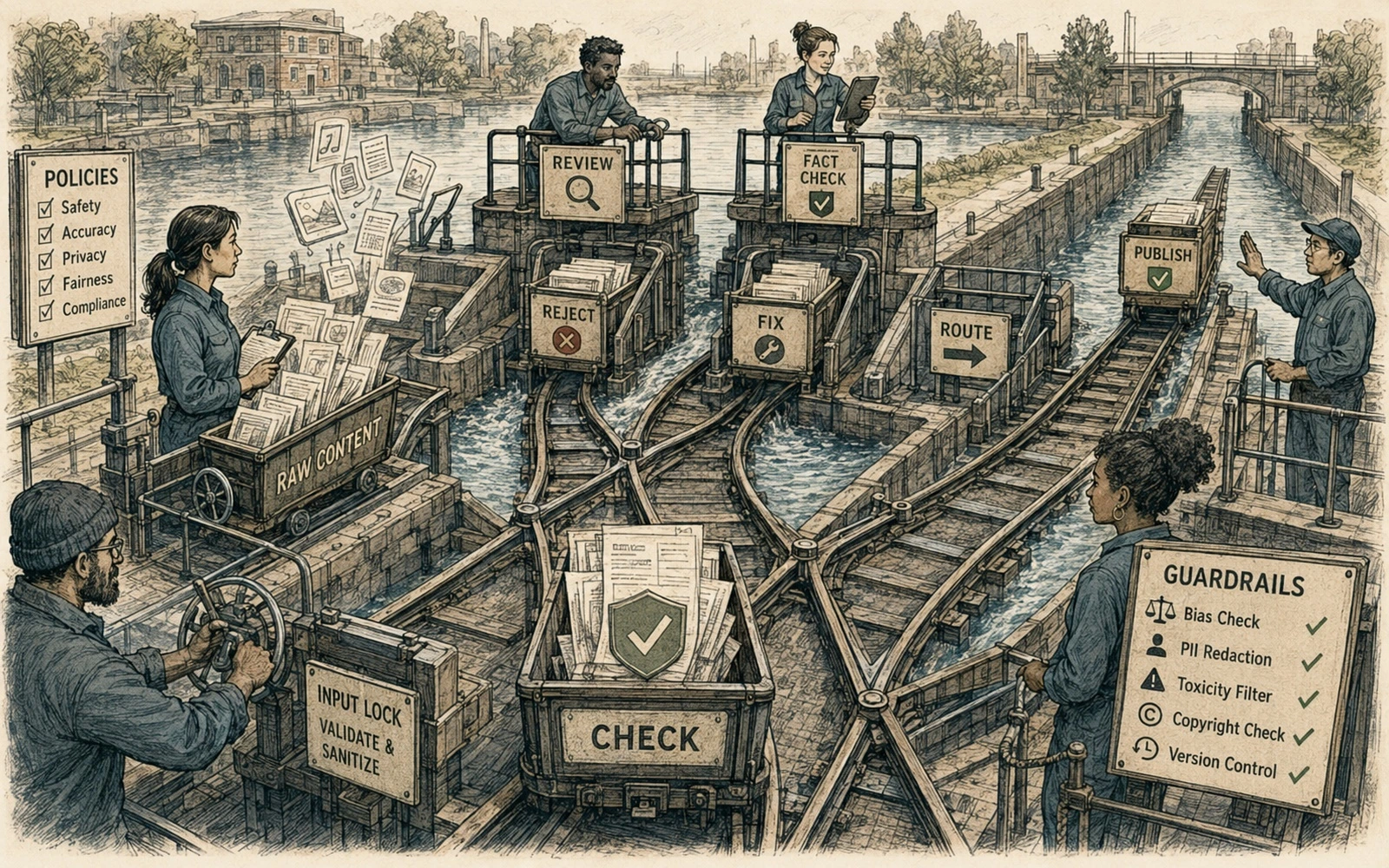
If a model can create or update documentation at scale, validation must scale with it. Constrain inputs, preserve provenance, validate structure and make publication a separate privileged step. A useful architecture assumes the model will sometimes be wrong.
Standards
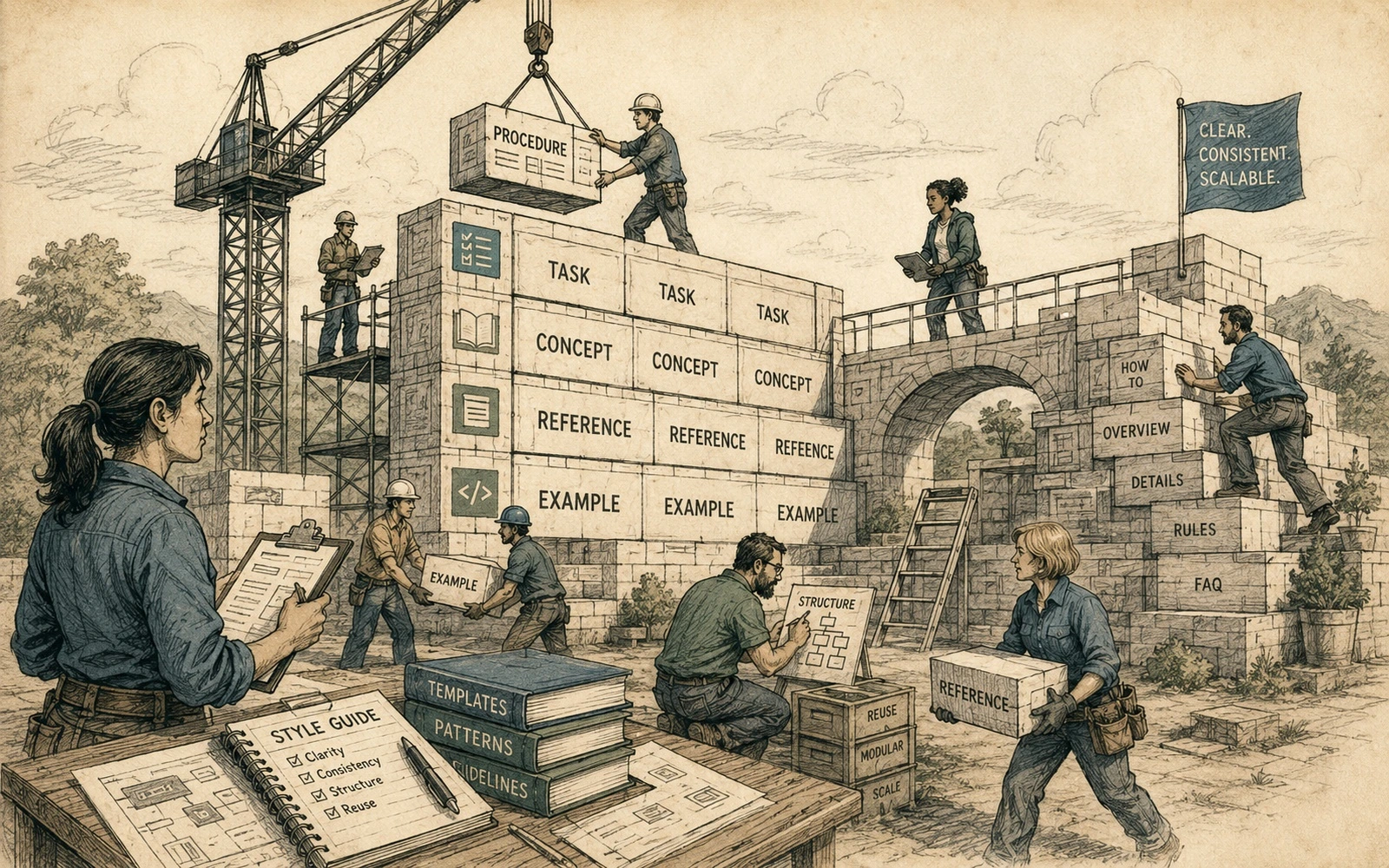
Consistency at scale comes from content models, terminology and reusable patterns, not from asking every contributor to memorize a giant style guide. Encode the rules that matter in schemas and components. A small team can rely on shared habits and direct editing.
AI & Documentation
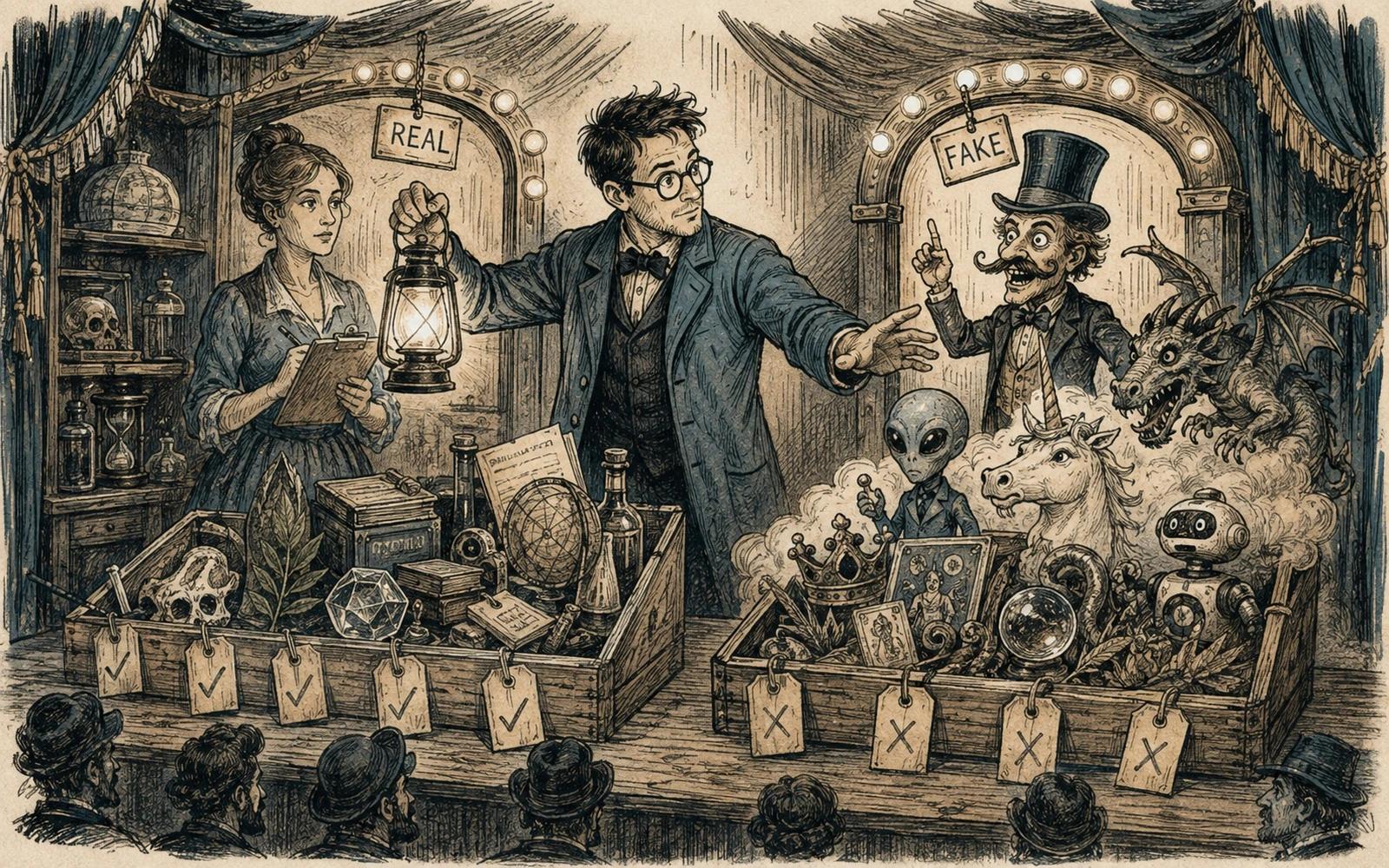
Generated examples can accelerate documentation work, but they must never be allowed to invent product behavior and then validate themselves. A code example is a factual claim about fields, values, order and behavior.

Profession
A good matrix helps people grow and teams hire. A bad one turns vague personality traits into fake precision. Measure observable documentation capabilities and the complexity of problems a writer can own. Teams often build a skills matrix when hiring becomes inconsistent or promotion conversations become subjective.
Tools
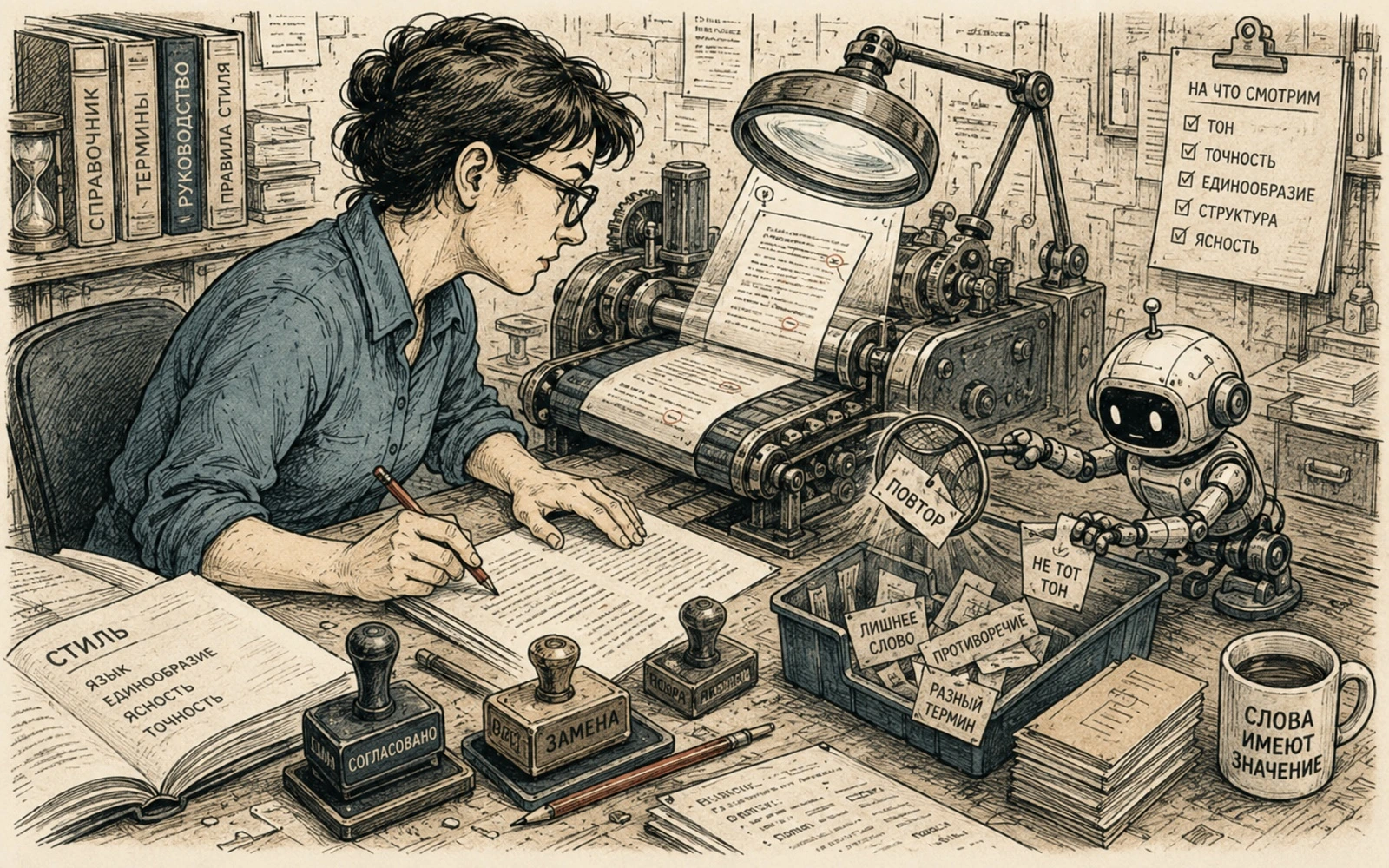
Style linting is valuable when it catches terminology drift, risky wording and repeatable editorial defects. Keep the rule set small, explainable and quiet enough that writers trust a failed check. A style linter can check thousands of sentences in seconds, which makes it tempting to encode every editorial preference.

Standards
Accessibility is not only a frontend task. Documentation authors control headings, link purpose, alternative text, tables, instructions and the structure that assistive technology depends on. A theme can provide good contrast and keyboard behavior, but authors still determine whether the content is understandable.