Define the problem
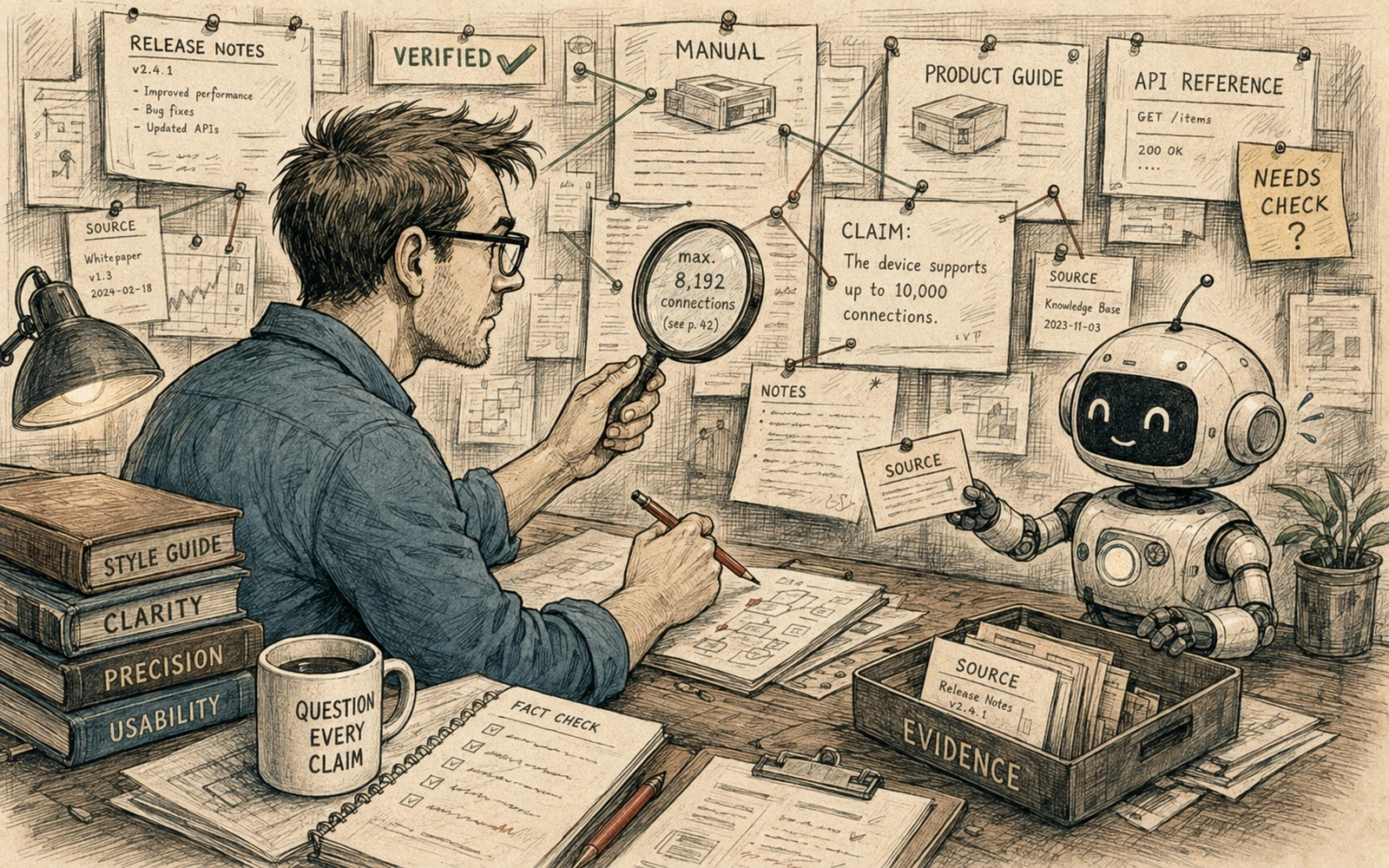
Separate language work from truth: a clearer sentence can still describe incorrect behavior. AI is most useful in documentation when it proposes alternatives that a writer can inspect, not when fluent output is treated as evidence of correctness.
Choose a useful model
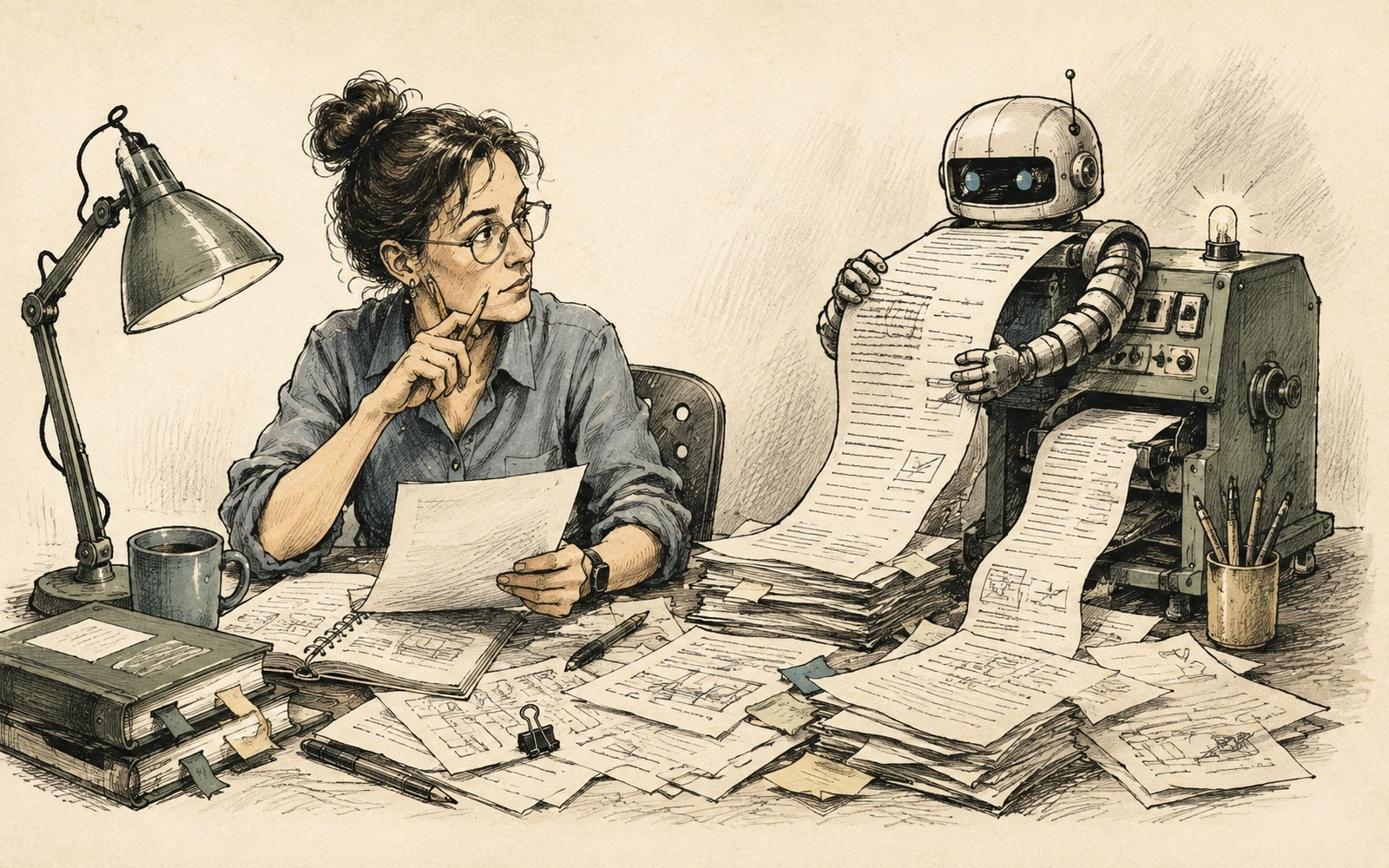
Ask AI to identify ambiguity, hidden prerequisites and terminology drift before asking for a rewrite. Give the model bounded editorial tasks such as finding ambiguity, suggesting headings or comparing terminology instead of asking it to decide product behavior.
Build the workflow
Review suggestions beside the original text and verified product facts so reasoning remains visible. Keep source material and requested transformation explicit so reviewers can trace each important claim back to something the team actually knows.
Check the result
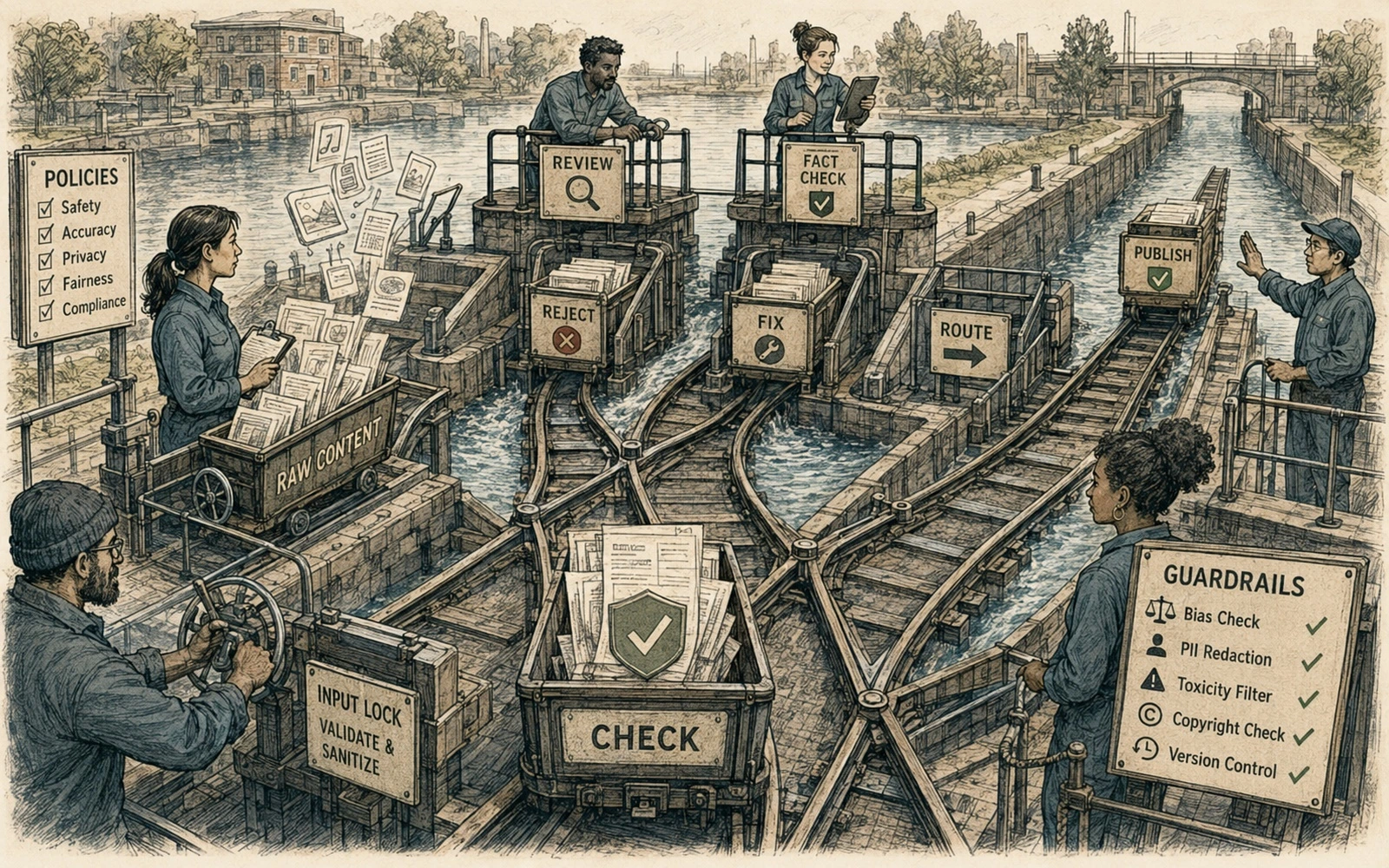
Prefer narrow transformations such as shortening, heading alternatives or duplicate detection because they are easier to verify. Human review must verify facts, omissions and unintended changes in meaning; grammatical improvement can hide a newly invented condition.
Keep it maintainable
The writer owns the final decision about meaning, accuracy and reader impact. Measure the workflow by correction cost and review time, not by how many words the model generated.
Applied example
Test “Use AI as an editor, not an oracle” with a controlled sample before turning it into a production workflow. Select ten short pieces of documentation whose correct state you already know: some accurate, some outdated, some ambiguous and some intentionally misleading. Give the AI only the information it is supposed to use, keep the instructions fixed, and record both correct decisions and confident mistakes.
Review the result with an editor’s checklist:
- Did the model distinguish evidence from inference?
- Did it preserve terminology and product constraints?
- Did it invent missing facts or soften uncertainty?
- Can a human reviewer see what changed and why?
The useful question is not whether the model can produce fluent prose. It is whether the workflow makes errors visible before publication. Automation earns trust when its boundaries, inputs and review points are explicit enough that a second person can reproduce the decision.
Quick editorial checklist
- Define the problem. Separate language work from truth: a clearer sentence can still describe incorrect behavior.
- Choose a useful model. Ask AI to identify ambiguity, hidden prerequisites and terminology drift before asking for a rewrite.
- Build the workflow. Review suggestions beside the original text and verified product facts so reasoning remains visible.
- Check the result. Prefer narrow transformations such as shortening, heading alternatives or duplicate detection because they are easier to verify.