मुख्य समस्या: text अब scarce नहीं है
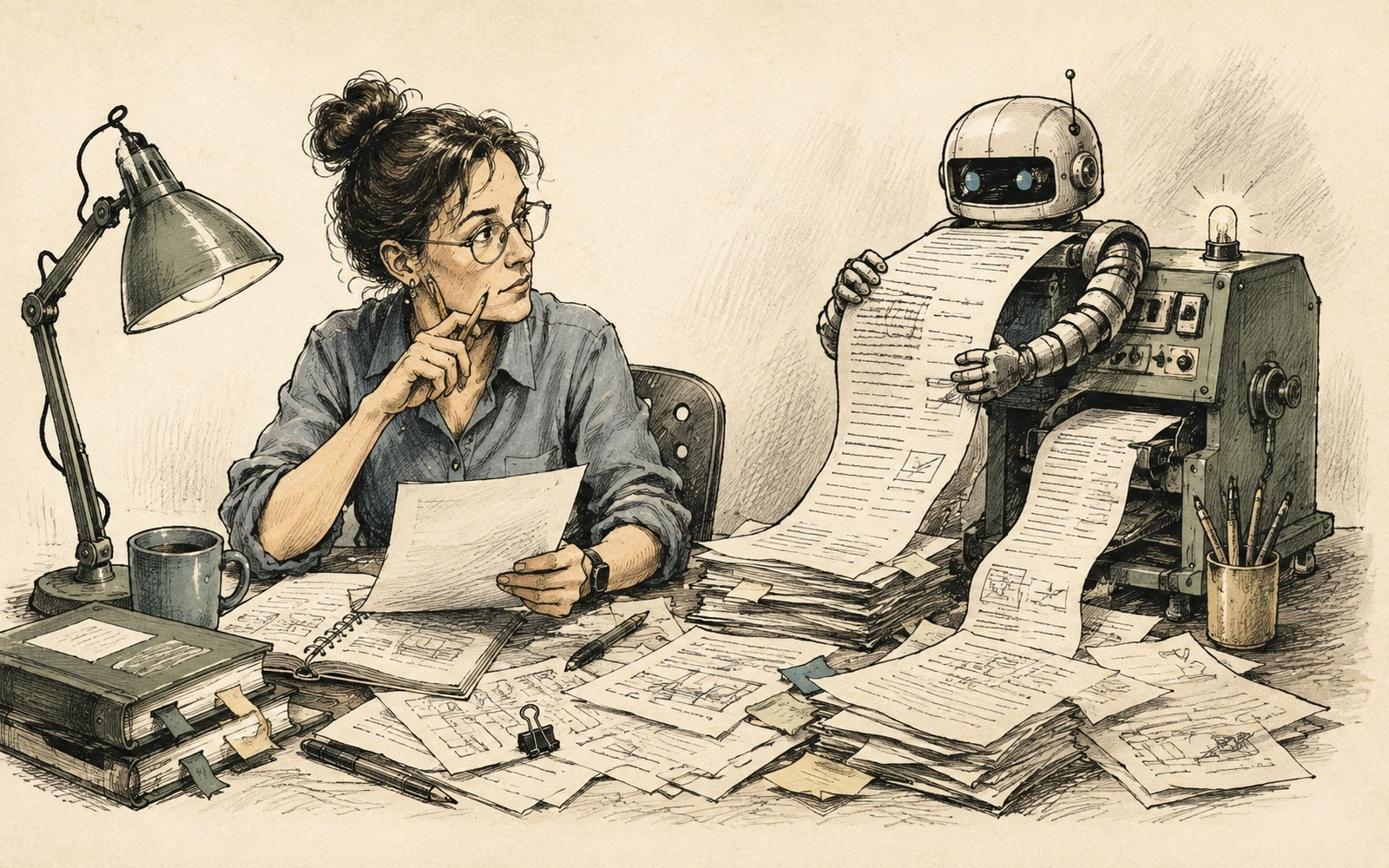
तीन साल पहले सवाल था कि क्या AI इंसान की तरह instructions लिख सकता है। 2026 में व्यावहारिक उत्तर हाँ है। अच्छे inputs के साथ model drafts, API reference, release notes, FAQ और translations मिनटों में बना सकता है।
इससे असली कठिन काम साफ़ दिखाई देता है: सच क्या है, कौन-सा version लागू है, product behavior कौन confirm करता है, user को क्या चाहिए और stale content को कैसे रोका जाए।
मैं व्यक्तिगत रूप से कई ऐसी कंपनियों को जानता हूँ जिन्होंने technical writer की भूमिका पूरी तरह हटा दी है। यह market statistics नहीं है, लेकिन दिखाता है कि यह scenario अब वास्तविक है। छोटे product और low-risk docs में यह कुछ समय तक चल सकता है। scale पर version drift, टूटे examples, inconsistent terminology और ownership की समस्या सामने आती है।
तीन वर्षों में वास्तव में क्या बदला
2022 के अंत से पहले गति बदली और फिर काम का बँटवारा। Draft, translation, summary, rewriting, parameter extraction और variants बनाना बहुत सस्ता हो गया। इसलिए advantage अब अधिक text पैदा करने में नहीं, बल्कि inputs, evidence, structure, review और maintenance को नियंत्रित करने में है।
मैं ऐसी कंपनियों को व्यक्तिगत रूप से जानता हूँ जिन्होंने technical writers पूरी तरह हटा दिए
यह मेरी व्यक्तिगत observation है, market statistic नहीं। फिर भी यह महत्वपूर्ण है क्योंकि complete replacement अब केवल hypothetical scenario नहीं है। असली सवाल यह है कि role हटने के बाद documentation ownership, facts, versions, debt और feedback का मालिक कौन है।
कौन-से काम पहले automate होते हैं
| काम | Automation | क्या verify करना है |
|---|---|---|
| Specification से first draft | high | facts और inputs |
| API parameters | high | semantics और examples |
| Release notes | high | user impact |
| Translation | high | terminology और context |
| Docs architecture | medium | user tasks और relationships |
| वास्तविक product behavior | low | source of truth और SME |
| Published fact की responsibility | automate नहीं | human owner |
आधुनिक documentation workflow
AI process के भीतर होना चाहिए, invisible final author नहीं।
Responsibility साफ़ रखें
| Stage | AI | Technical writer | SME / product |
|---|---|---|---|
| Sources | classify | gaps खोजे | source of truth दे |
| Structure | options दे | architecture तय करे | limits confirm करे |
| Draft | generate | rules और editing | ambiguity resolve करे |
| Facts | risk flag करे | claim को evidence से जोड़े | behavior confirm करे |
| Publish | approve नहीं | readiness control करे | critical changes approve करे |
काम कैसे बनाना चाहिए
- Prompt से पहले evidence pack बनाइए।
- AI से पहले contradictions और missing data निकलवाइए।
- छोटे और verifiable units generate कीजिए।
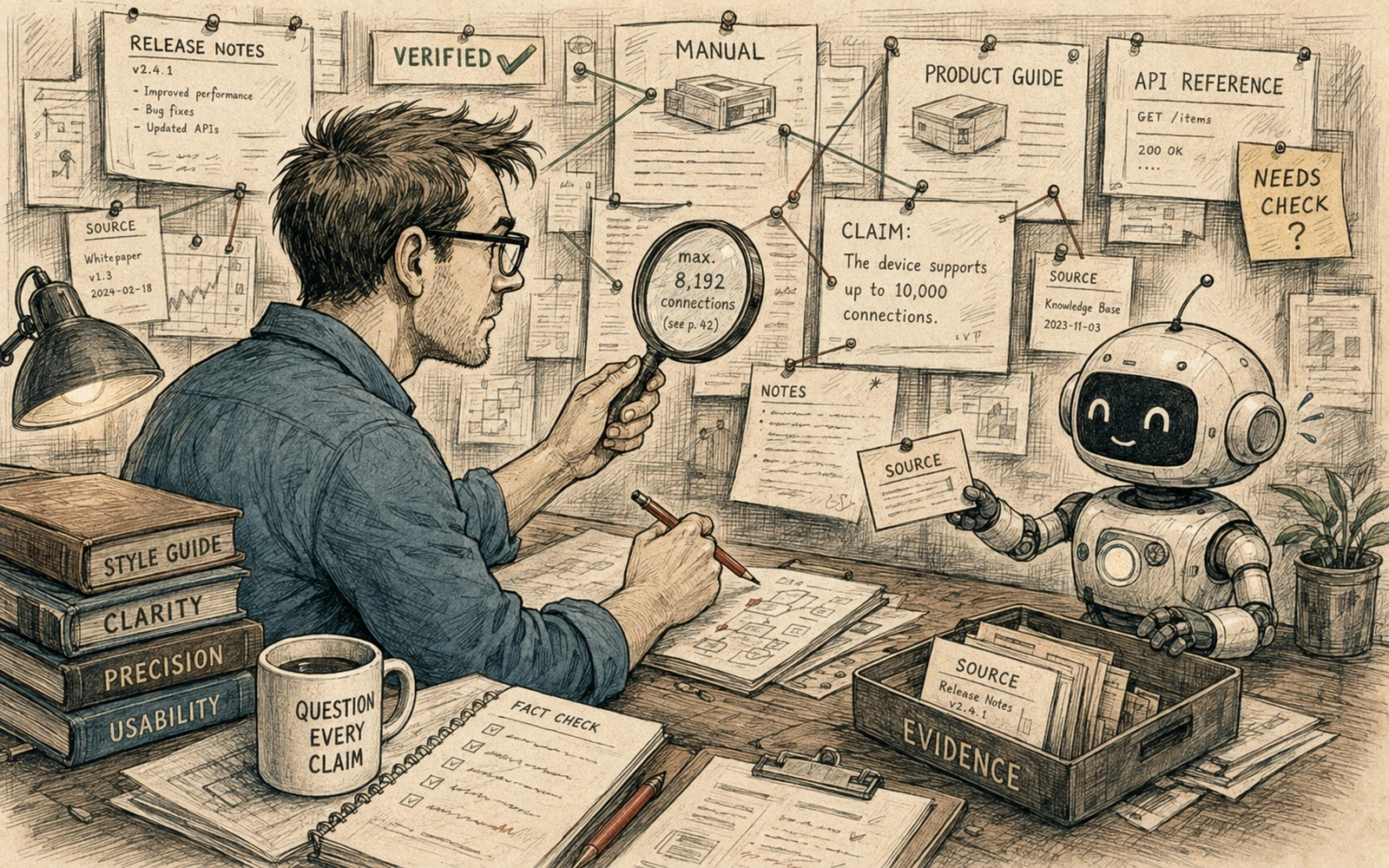
- Fluency नहीं, evidence review कीजिए।
- Links, build, terminology, schemas और tests automate कीजिए।
- Safety, compatibility और legal promises का human owner रखिए।
Review अब तीन layers में होना चाहिए
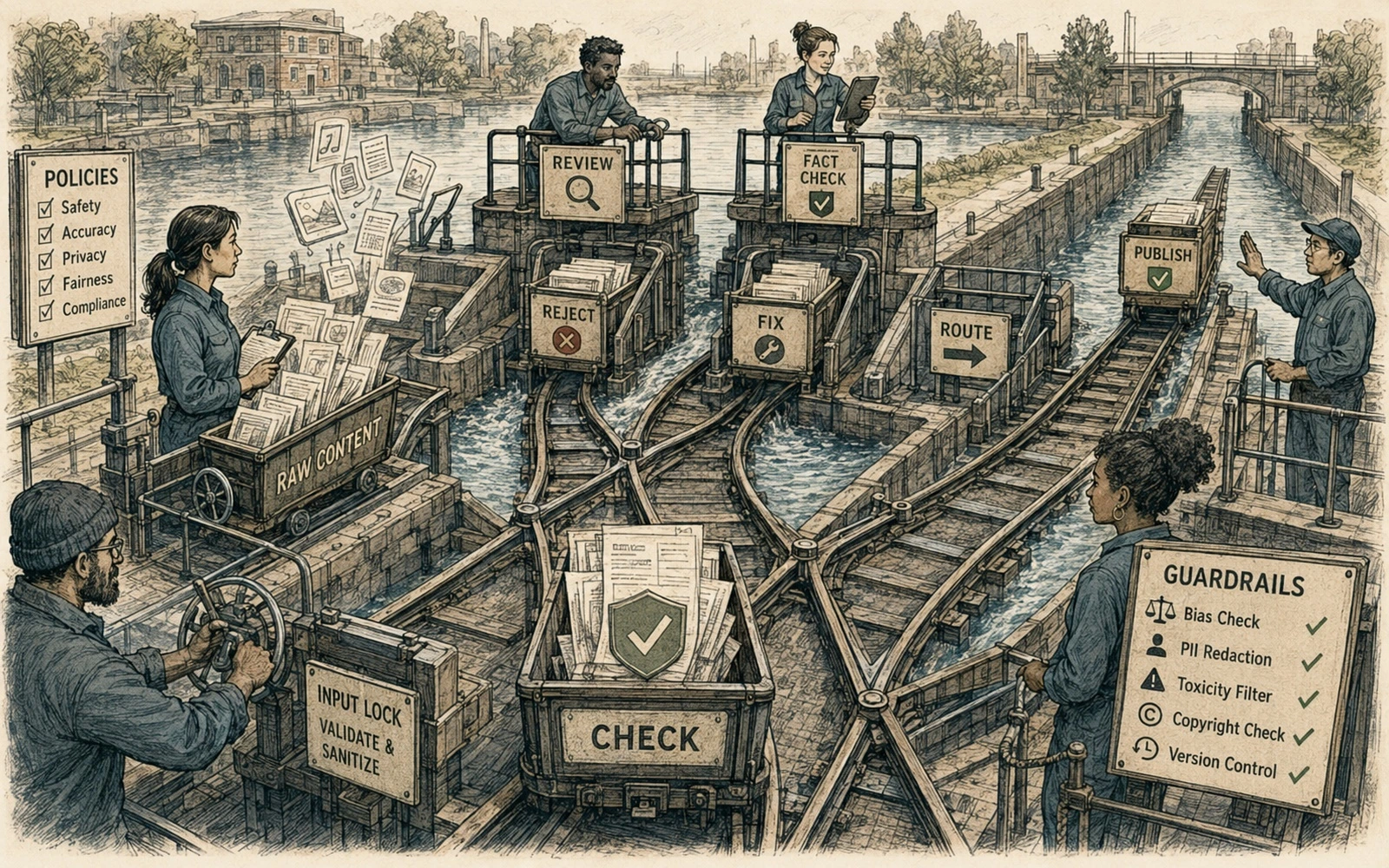
AI-generated draft को सीधे publish नहीं करना चाहिए। Editorial review, technical review और automated checks अलग-अलग सवाल हल करते हैं और उन्हें स्पष्ट रूप से अलग रखना चाहिए।
Clarity, order और usefulness.
Facts, commands, states और constraints.
Build, links, terminology और examples.
AI से AI की जाँच fact-check नहीं है
दूसरा model suspicious claim ढूँढ सकता है, लेकिन confirmation code, specification, test या SME से आती है।
अगर कंपनी technical writers पहले ही हटा चुकी है तो?
पुराना role केवल nostalgia के लिए वापस लाना जरूरी नहीं। पहले उन responsibilities को स्पष्ट owner दें जो अभी भी मौजूद हैं: structure कौन तय करता है, facts कौन confirm करता है, feedback कौन देखता है, stale content कौन हटाता है और publish रोकने का अधिकार किसके पास है। बिना owner के automation documentation debt को बस छिपाता है।
Technical writer की नई भूमिका
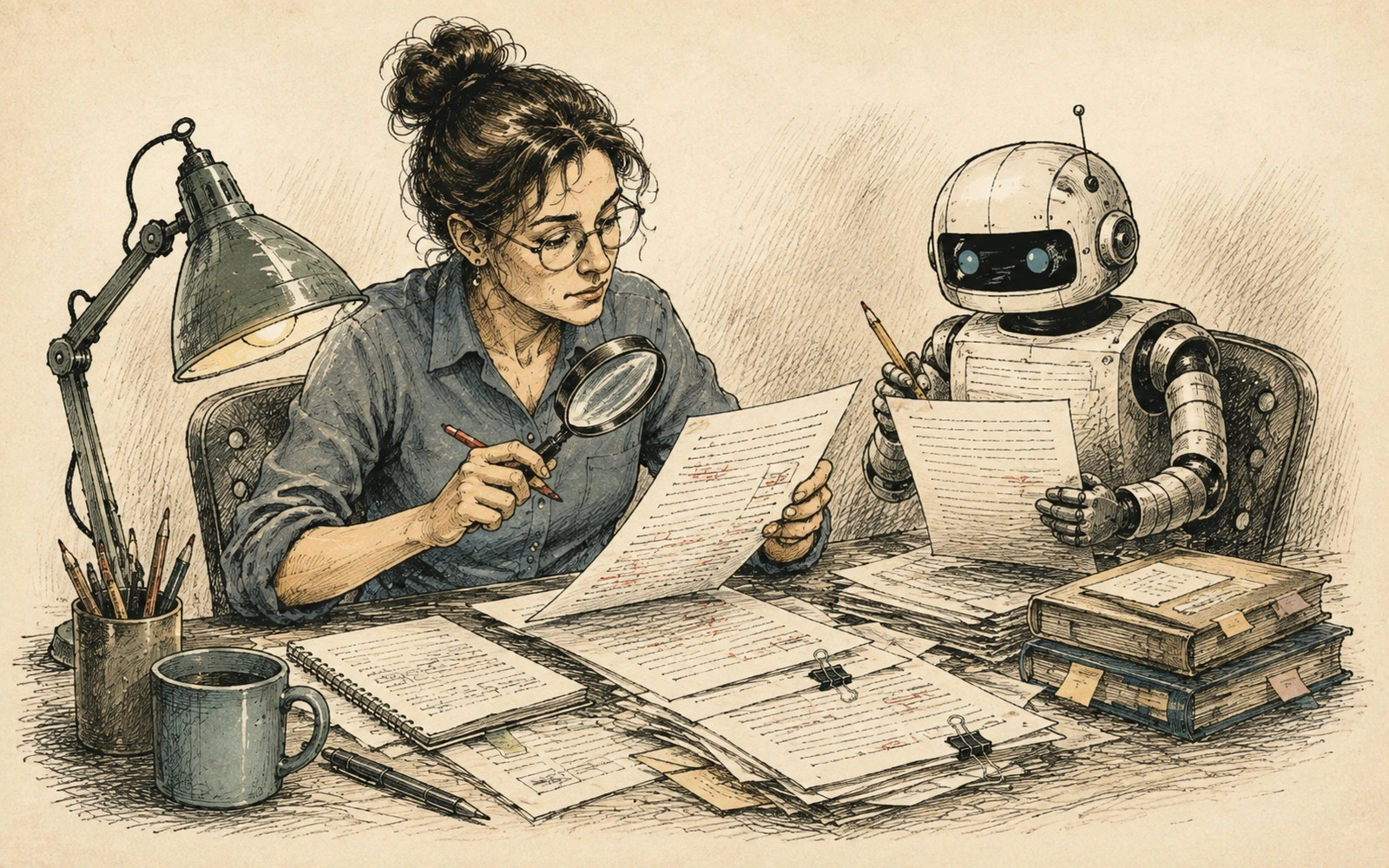
Value अब “मैं अच्छे paragraphs जल्दी लिखता हूँ” नहीं हो सकती। भूमिका knowledge architecture, sources of truth, documentation backlog, generation/review rules, quality gates, terminology और lifecycle ownership की ओर जाती है।
अगर company writers हटाती है तो ये functions फिर भी किसी owner के पास होने चाहिए। वरना documentation automate नहीं हुई; governance छोड़ दी गई।
कौन-सी skills महत्त्वपूर्ण हो रही हैं
- product understanding;
- information architecture;
- APIs, Git और automation;
- editorial judgment;
- fact-checking और traceability;
- product, engineering, support और users को जोड़ना।
Page count की जगह क्या मापें
जब AI सैकड़ों pages बना सकता है, output volume उपयोगी metric नहीं रहता। बेहतर metrics हैं: owner वाले content का प्रतिशत, evidence की freshness, publish से पहले पकड़ी गई errors, tests pass करने वाले examples, product change के बाद update time और documentation से वास्तव में हल हुई user problems।
2026 की छोटी documentation team
Architecture, audience, rules, editing और release.
Analysis, drafts, variants और supporting checks.
Source of truth, constraints और technical approval.
ऐसी team पहले से बहुत अधिक produce कर सकती है, लेकिन human responsibility दिखाई देनी चाहिए।
Technical writer को व्यक्तिगत रूप से अब क्या करना चाहिए
ऐसा product चुनें जिसे आप गहराई से समझ सकें; Git, API, tests और structured sources सीखें; अपना fact-checking discipline बनाएं; information architecture का अभ्यास करें; और अपनी value को लिखे गए words से न मापें। Sustainable advantage system को generic model से बेहतर समझने और उसे verifiable workflow में बदलने में है।
निष्कर्ष
AI ने documentation को खत्म नहीं किया। उसने text production पर इंसान का monopoly खत्म किया है। लक्ष्य AI से तेज लिखना नहीं, बल्कि ऐसा system बनाना है जिसमें AI तेज काम करे लेकिन गलती उतनी ही तेज user तक न पहुँचे।