हिंदी संस्करण उसी timeline, findings और verified sources को follow करता है।

तरीका

The study tracks repeatable changes in the role of documentation across archival evidence and current tooling, rather than rating a single website.

1976–2026

50 years की evolution

24

primary, archive और official sources

4

archival visual artifacts

3

readers: human, IDE, agent

मुख्य निष्कर्ष: Apple ने good interface और good documentation में से किसी एक को नहीं चुना

दो principles साथ चले। Consumer product को basic काम के लिए मोटा manual नहीं मांगना चाहिए, लेकिन developer platform deep और precise technical documentation के बिना scale नहीं कर सकता। Apple का सबसे मजबूत pattern तब दिखता है जब explanation की कठिनाई interface या API problem को expose करती है। [A19][A21][A5][A4]

Method और evidence

17 August 2026 के snapshot में original manuals, Apple Times, Computer History Museum oral histories, Macintosh team के first-person accounts, Steve Jobs Archive और current Apple तथा Swift documentation को priority दी गई। Direct quote न मिलने पर कोई quote invent नहीं किया गया। [A1][A3][A4][A5][A7][A10][A13][A14][A19][A2]

1976–1979: engineer का knowledge shared reference बनता है

Apple-1 की technical audience के लिए short operating notes और schematics काफी थे। Apple II ने audience बढ़ाई और memory, video, I/O, ROM और expansion का knowledge दूसरे लोगों के लिए independently readable बनाना जरूरी किया। [A1][A2]

Wozniak के बारे में evidence वास्तव में क्या कहता है
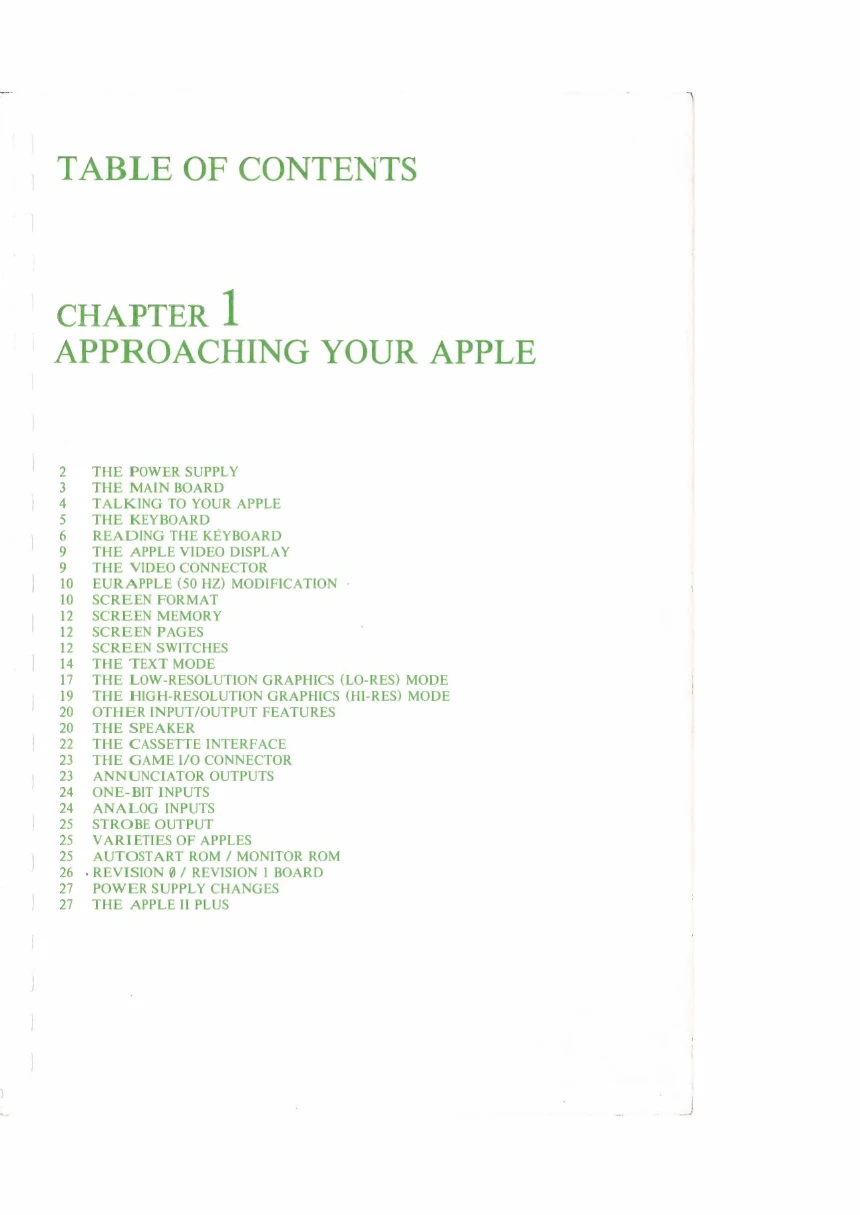
Wozniak का कोई reliable “documentation is everything” manifesto नहीं मिला। उनकी notes और Apple II Reference Manual ज्यादा मजबूत evidence हैं: architecture इतनी detail में explain थी कि third-party developers machine को program और expand कर सकें। [A1][A2]

Apple II Reference Manual, 1979. पहला chapter power supply और main board से screen memory, graphics modes, I/O और ROM तक जाता है।
चित्र 2. Apple II Reference Manual, 1979. पहला chapter power supply और main board से screen memory, graphics modes, I/O और ROM तक जाता है। [A1]

Publications interface को shape करने लगता है

Chris Espinosa ने Publications Style Guide को Apple interface consistency की origins से जोड़ा। Consistent explanations applications पर भी consistent behavior का pressure डालती थीं, इसलिए documentation design governance का हिस्सा बनने लगी। [A4]

1982: Apple अपनी manual factory document करता है

Apple Times चार stages बताता है: document design, alpha, beta और final draft. Beta को target audience का प्रतिनिधित्व करने वाले external readers देखते थे और feedback manual के साथ product को भी बदल सकता था। [A3]
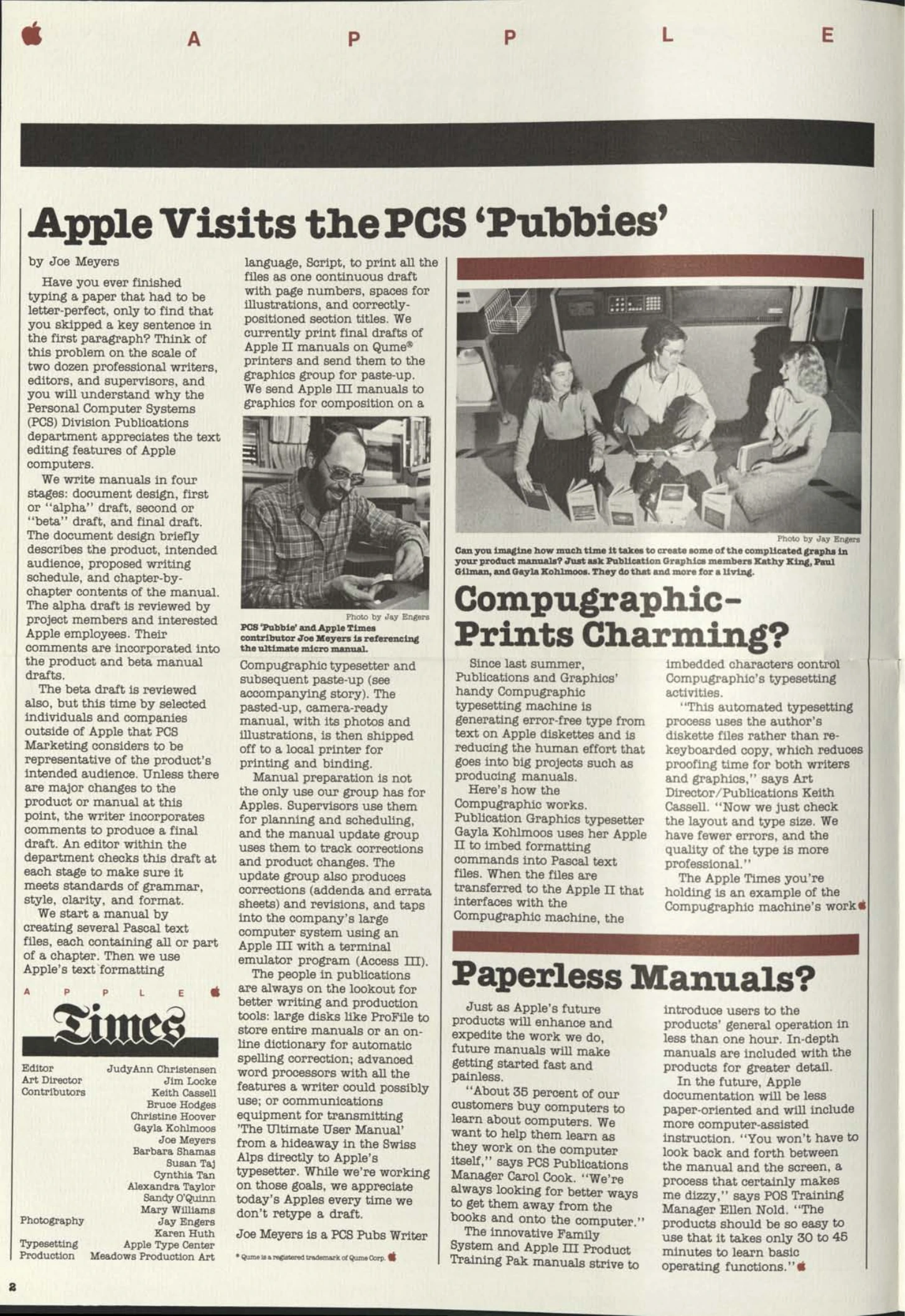
Apple Times, April 1982. Apple की internal Publications story चार manual stages, Pascal files, Script, Qume, Compugraphic, manual paste-up और “paperless manuals” बताती है।
चित्र 3. Apple Times, April 1982. Apple की internal Publications story चार manual stages, Pascal files, Script, Qume, Compugraphic, manual paste-up और “paperless manuals” बताती है। [A3]

Images कैसे बनती थीं: photography, screen dump, MacPaint और manual paste-up

1982 में Pascal text files Script, Qume और Compugraphic से होकर photos और illustrations के physical paste-up तक जाती थीं। 1984 में Command-Shift-3 screen को MacPaint document बना सकता था, Susan Kare manuals के लिए MacPaint drawings बनाती थीं, फिर भी prepress में scissors और glue मौजूद थे। [A3][A7][A8][A6]
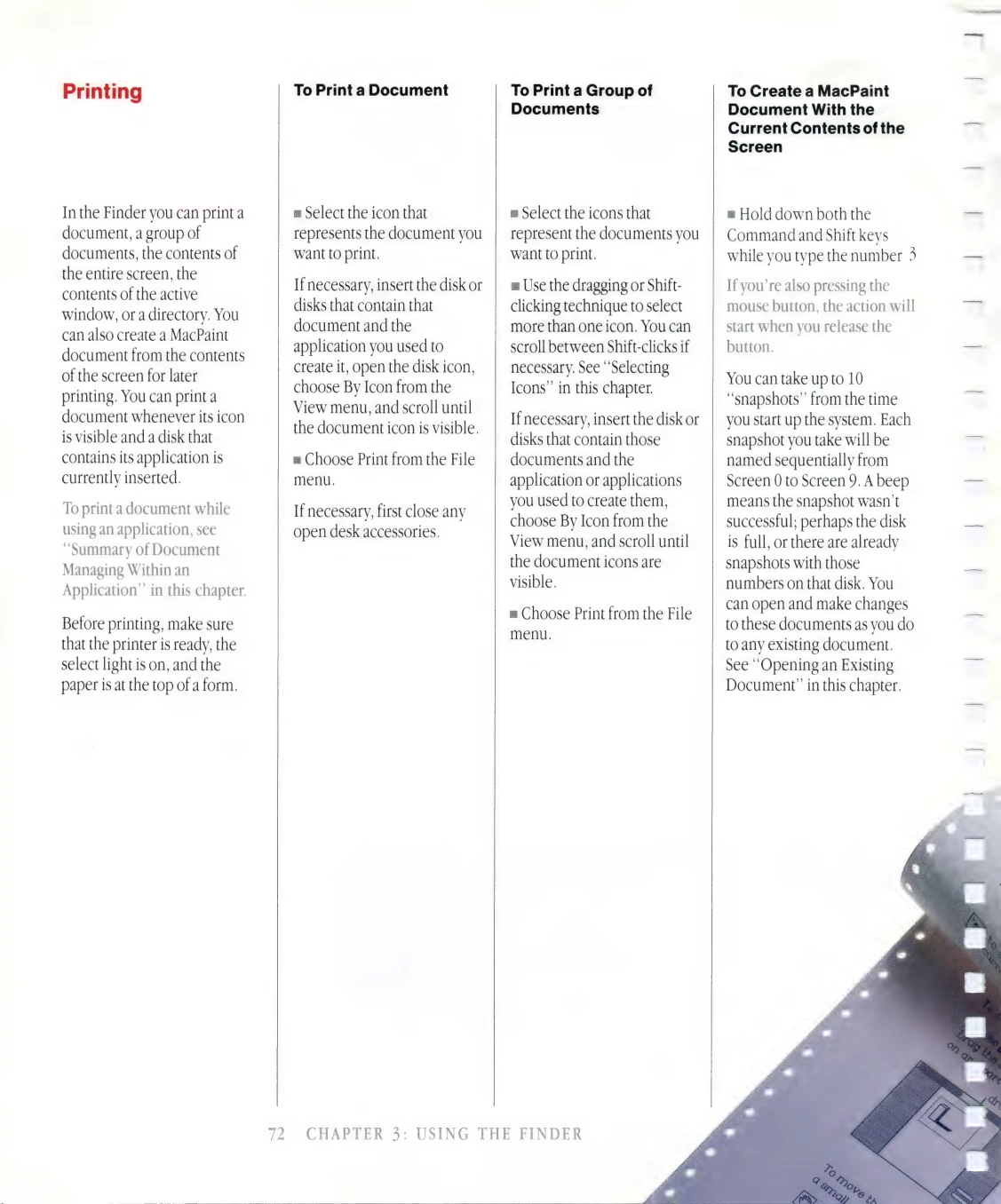
Macintosh Manual, 1984. Finder में Command + Shift + 3 current screen को MacPaint document में बदलता है।
चित्र 4. Macintosh Manual, 1984. Finder में Command + Shift + 3 current screen को MacPaint document में बदलता है। [A7]

क्या photograph हुआ और क्या draw हुआ?

Archives कम से कम चार अलग production paths दिखाते हैं।

Photography

Hardware, people और staged scenes camera से shoot होकर camera-ready page में जाते थे। [A3]

Screen image

Macintosh Command + Shift + 3 से screen को MacPaint document में save कर सकता था। [A7]

Drawing और bitmap

Susan Kare Macintosh manuals के लिए MacPaint drawings बनाती थीं। [A8]

Final assembly

Text और graphics physical paste-up से final page में जुड़ते थे और फिर printer के पास जाते थे। [A3]

Macintosh से पहले “paperless manuals”

1982 Apple Times ने basic operations को computer पर सीखने और detailed manuals को depth के लिए रखने की दिशा लिखी। Onboarding और reference को web से बहुत पहले अलग problems माना जा चुका था। [A3]

Jobs: manual difficult product का excuse नहीं है

1984 में Jobs ने 400-page WordStar manuals का मजाक उड़ाया और 2007 में ऐसी phone feature का उदाहरण दिया जो unread manual के page 93 पर छिपी थी। उनका लक्ष्य common features को self-discoverable बनाना था, documentation को खत्म करना नहीं। [A21][A19][A5]

पाँच lines जिनमें evolution साफ दिखती है

Original English excerpts अलग-अलग समय की language को सीधे दिखाते हैं।

1982 · Apple Times

“We write manuals in four stages...”

Documentation formal stages और review वाला production process बन चुकी थी। [A3]

1982 · Apple Times

“get them away from the books and onto the computer”

Publications first-use learning को book से product में ले जाना चाहती थी। [A3]

1984 · Macintosh Manual

“To Create a MacPaint Document With the Current Contents of the Screen”

GUI को CRT की photo लिए बिना digitally capture किया जा सकता था। [A7]

1982 · Andy Hertzfeld

“Developer documentation was crucial to our success.”

Inside Macintosh platform infrastructure की तरह देखा गया। [A5]

1984 · Steve Jobs

“People will not read those damn 400-page WordStar manuals.”

Jobs basic use के लिए manual पर dependence को target कर रहे थे। [A21]

1984: interaction की नई भाषा सिखाना

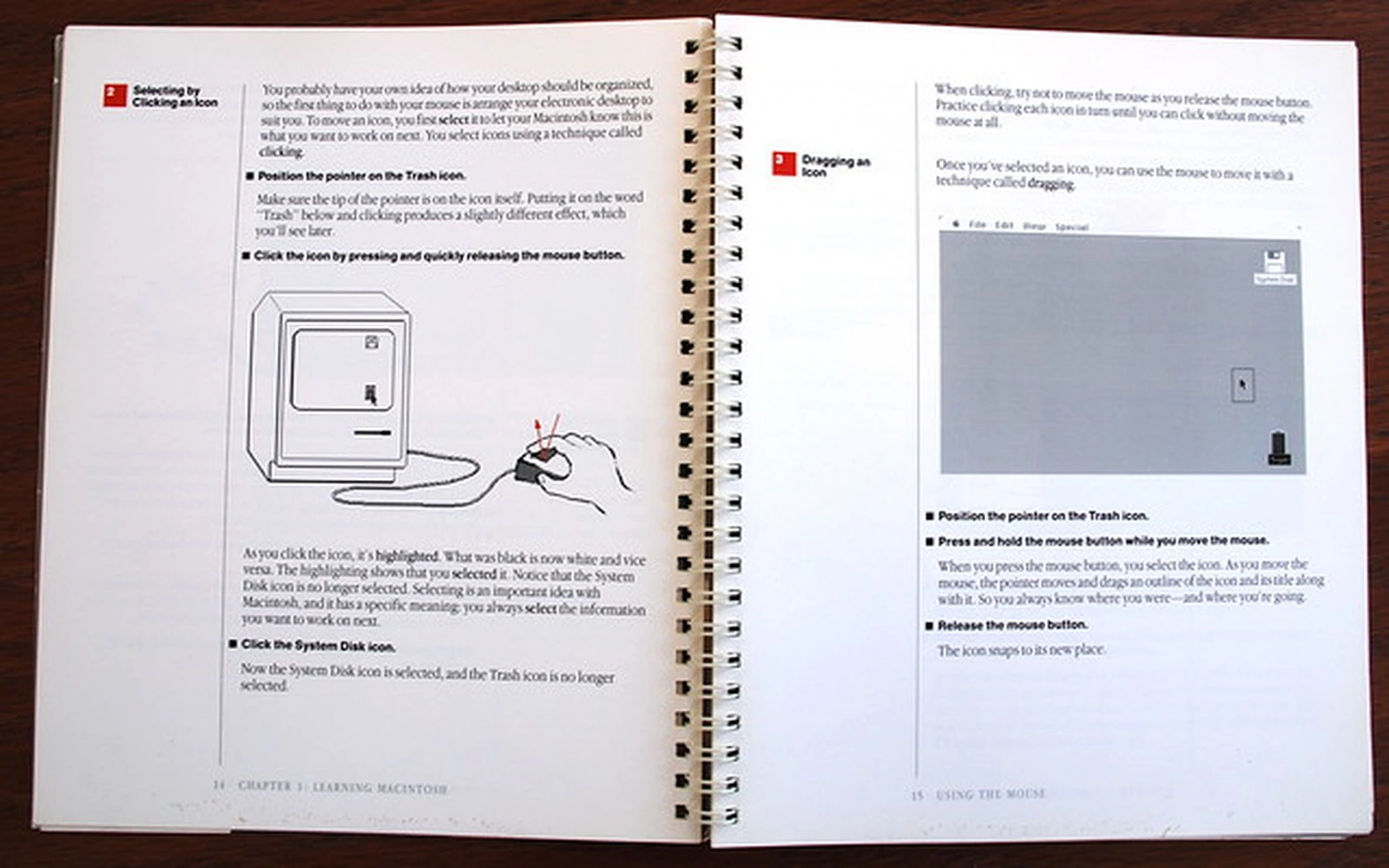
Macintosh manual को pointer, click, drag, icon, window, menu और Trash जैसे concepts सिखाने थे। Hand-and-mouse line art और interface bitmaps physical action और screen response का रिश्ता दिखाते थे। [A7]

Inside Macintosh: जब technical writer API बदलता है

Andy Hertzfeld ने developer documentation को Macintosh success के लिए crucial कहा। Caroline Rose के precise parameter और edge-case questions ambiguous contracts पकड़ते थे और कभी-कभी API को document करने से पहले बदलवा देते थे। [A5]

HIG: ecosystem governance के रूप में documentation

Human Interface Guidelines ने behavior को third-party apps के लिए shared rules बनाया। Publications Style Guide से 1992 HIG और 2026 Apple Style Guide तक terminology, UI text और interaction design एक ही system के हिस्से रहे। [A4][A9][A24][A10]

Developer Library era

Platforms बढ़ने पर सही document खोजना core problem बना। Developer Library और Xcode Documentation Organizer guides, reference और sample code को organize करते थे, जबकि Quick Help symbol reference को source editor में लाता था। [A12]

Archive problem

Documentation Archive दिखाता है कि guides धीरे-धीरे retire हुए। Old content reproducibility के लिए जरूरी है, पर retired status, date और successor link साफ न हों तो historical page current answer बन सकता है। [A11][A22][A23]

2021: DocC documentation को compiled artifact बनाता है

Swift-DocC API comments, Markdown articles और tutorials को जोड़ता है। Apple ने इसे internal SDK docs के लिए बनाया, Xcode में integrate किया और open source किया, जिससे links और structure build में validate हो सकते हैं। [A14][A15][A3]

2026: तीसरा reader आता है — agent

Current Apple pages automated tools के लिए Markdown देते हैं और Xcode coding agents documentation search कर सकते हैं। एक ही knowledge base अब human reader, IDE context और agent को serve करता है। [A13][A16][A17][A18]

Current Apple leaders क्या कहते हैं

Susan Prescott goal को best tools देने और developer workflow friction घटाने के रूप में रखती हैं। Apple documentation को अलग strategy की तरह कम पेश करता है क्योंकि reference, samples, diagnostics, tutorials और agent context developer experience में embedded हैं। [A17][A18]

Editorial continuity

Publications Style Guide से 2026 Apple Style Guide तक consistent voice documentation, reference, training और user interfaces पर लागू रहती है। Terminology सिर्फ copy-editing नहीं, product consistency का हिस्सा है। [A4][A9][A10]

Apple क्या बहुत अच्छा करता है

Documentation engineering के पास रहती है: writer API influence कर सकता है, HIG apps influence करता है, DocC code के साथ रहता है और Xcode context देता है। Apple onboarding, concepts, reference और examples को अलग information types मानता है। [A5][A9][A12][A14]

System कहाँ कमजोर है

Complete symbol reference हमेशा पुराने Programming Guides जैसी architectural narrative नहीं देता। Archived pages search में लंबे समय तक ऊपर रह सकते हैं और machine-friendly fragmentation human explanation को कमजोर कर सकती है। [A11][A13]

Technical writers क्या अपना सकते हैं

Writing को product test बनाएं, first-success onboarding और deep reference अलग रखें, language जल्दी standardize करें, docs को engineering workflow में रखें, archive status साफ रखें और human, IDE तथा agent के लिए एक knowledge model बनाएं। [A5][A10][A11][A14][A17]

पुरानी images क्या सिखाती हैं

Apple की पुरानी pages दिखाती हैं कि schematic structure बताता है, line art physical action, screenshot state और HIG expected behavior। Screenshot बनाना सस्ता हो सकता है, maintain करना नहीं। [A1][A7][A9]

निष्कर्ष: documentation और product की boundary लगातार छोटी हुई

Apple engineering notes से tested manuals, API बदलने वाले technical writers, interface rules, Xcode integration, DocC और agent-readable Markdown तक पहुँचा। असली बदलाव paper से HTML नहीं, documentation का product lifecycle के और करीब आना था। [A5][A19][A21]

Research sources

Priority is given to Apple primary material, current official pages, and oral histories from direct participants. Archive copies are used where the original printed item is no longer hosted by Apple.

[A1]Apple II Reference Manual, Christopher Espinosa, 1979[A2]The Woz Wonderbook, early Apple II notes[A3]Apple Times, April 1982 — Publications / Compugraphic / Paperless Manuals[A4]Origins of the Apple human interface — Larry Tesler and Chris Espinosa, Computer History Museum oral history[A5]Inside Macintosh — Andy Hertzfeld, Folklore.org[A6]Vault of Horror — Caroline Rose on production by scissors and glue[A7]1984 Macintosh Manual — Apple Computer[A8]Susan Kare, Iconic Designer — Smithsonian Lemelson Center[A9]Macintosh Human Interface Guidelines, 1992[A10]Apple Style Guide, June 2026[A11]Apple Documentation Archive[A12]Find Documentation Quickly — retired Apple Developer Library guide[A13]Apple Developer Documentation[A14]Swift-DocC is Now Open Source — Swift.org, Franklin Schrans[A15]Announcing Swift-DocC — Swift Forums[A16]Writing code with intelligence in Xcode — Apple Developer Documentation[A17]Xcode 26.3 unlocks the power of agentic coding — Apple Newsroom, 2026[A18]Apple accelerates app development with new intelligence frameworks and advanced tools — Apple Newsroom, 2026[A19]Steve Jobs in his own words — Make Something Wonderful, Steve Jobs Archive[A20]The Very First Stevenote — Computer History Museum[A21]Steve Jobs unveils Macintosh at Boston Computer Society, January 30, 1984 — TIME transcript/video archive[A22]Safari Web Inspector Guide revision history — example of retirement in 2018[A23]Local and Remote Notification Programming Guide revision history — example of retirement in 2018[A24]Oral History of Andy Hertzfeld and Bill Atkinson — Computer History Museum