पुरानी problem भी synchronization ही थी
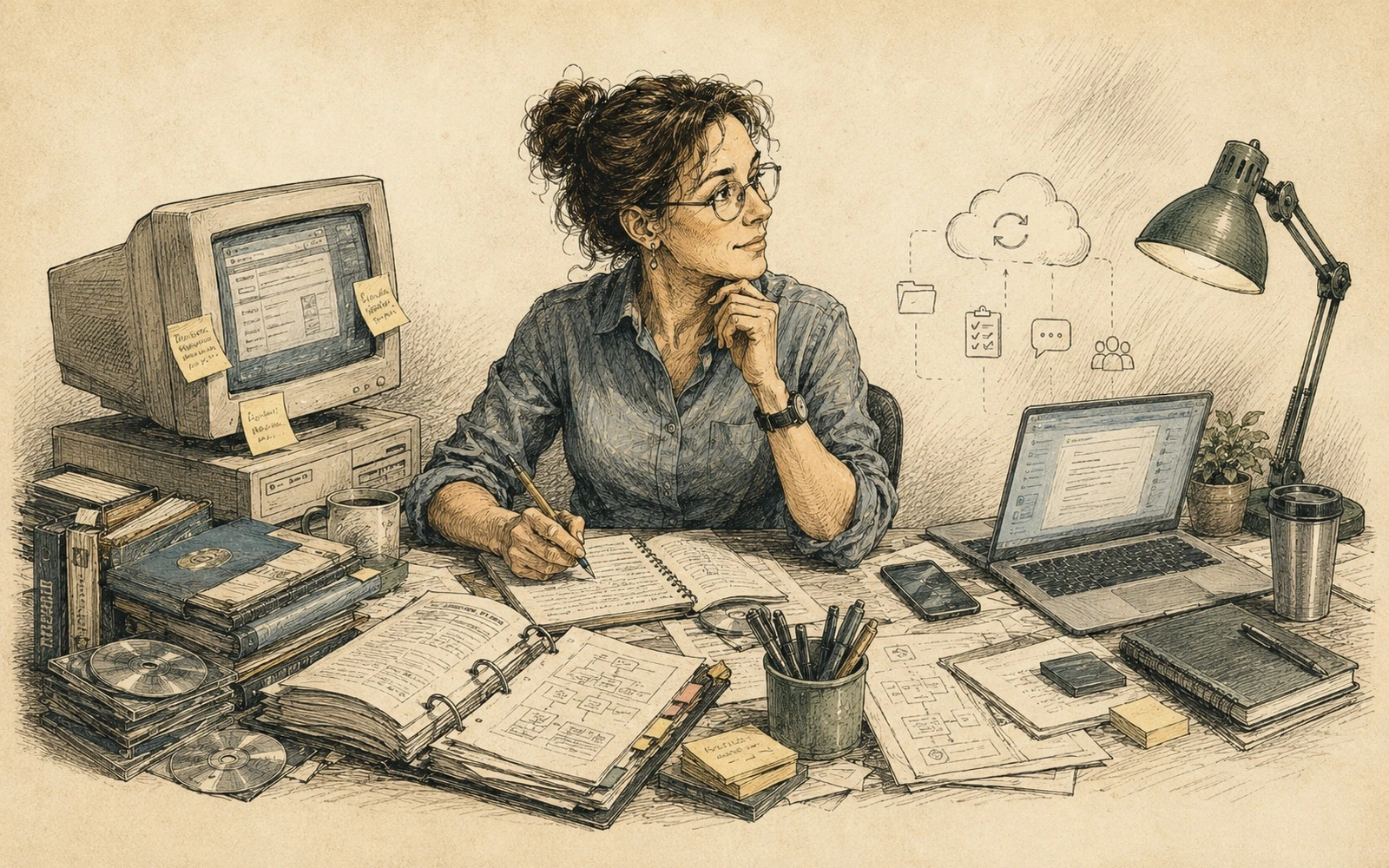
Docs-as-Code नाम आने से बहुत पहले teams multiple source files, reusable fragments, versioned manuals और “current copy कौन-सी है?” जैसे सवाल से जूझती थीं। Tools अलग थे, coordination problem वही थी।
बड़ा बदलाव यह है कि documentation अब software delivery machinery में अधिक सीधे शामिल हो सकती है।
Text sources automate करना आसान हुआ
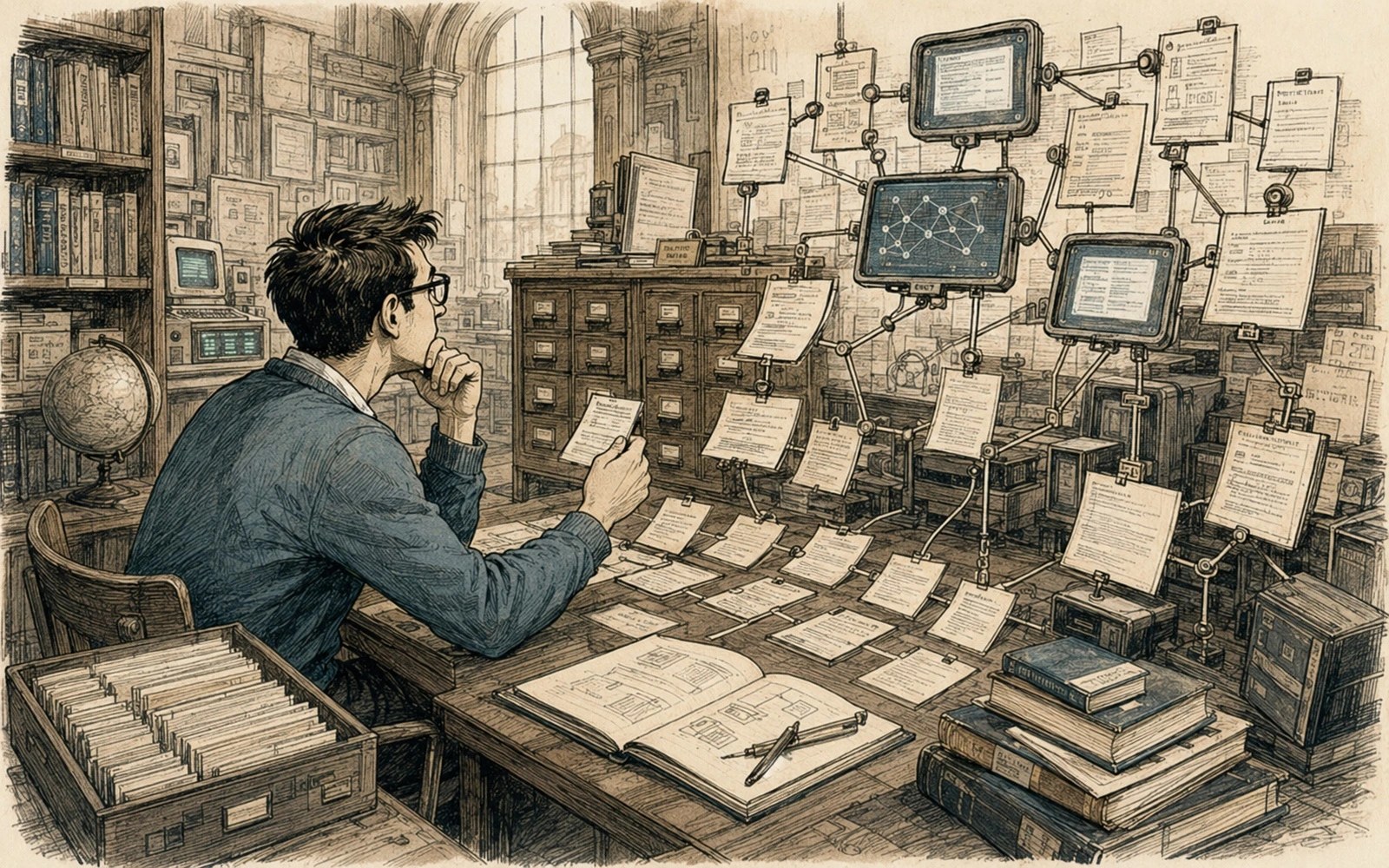
Plain-text formats, Git और static generators ने diffs, branches और automated builds आम किए। Documentation change link checking, style linting, preview और deployment trigger कर सकता है।
इसका मतलब हर पुराना workflow गलत नहीं; collaboration की cost बदली है।
Web ने reading unit बदल दिया
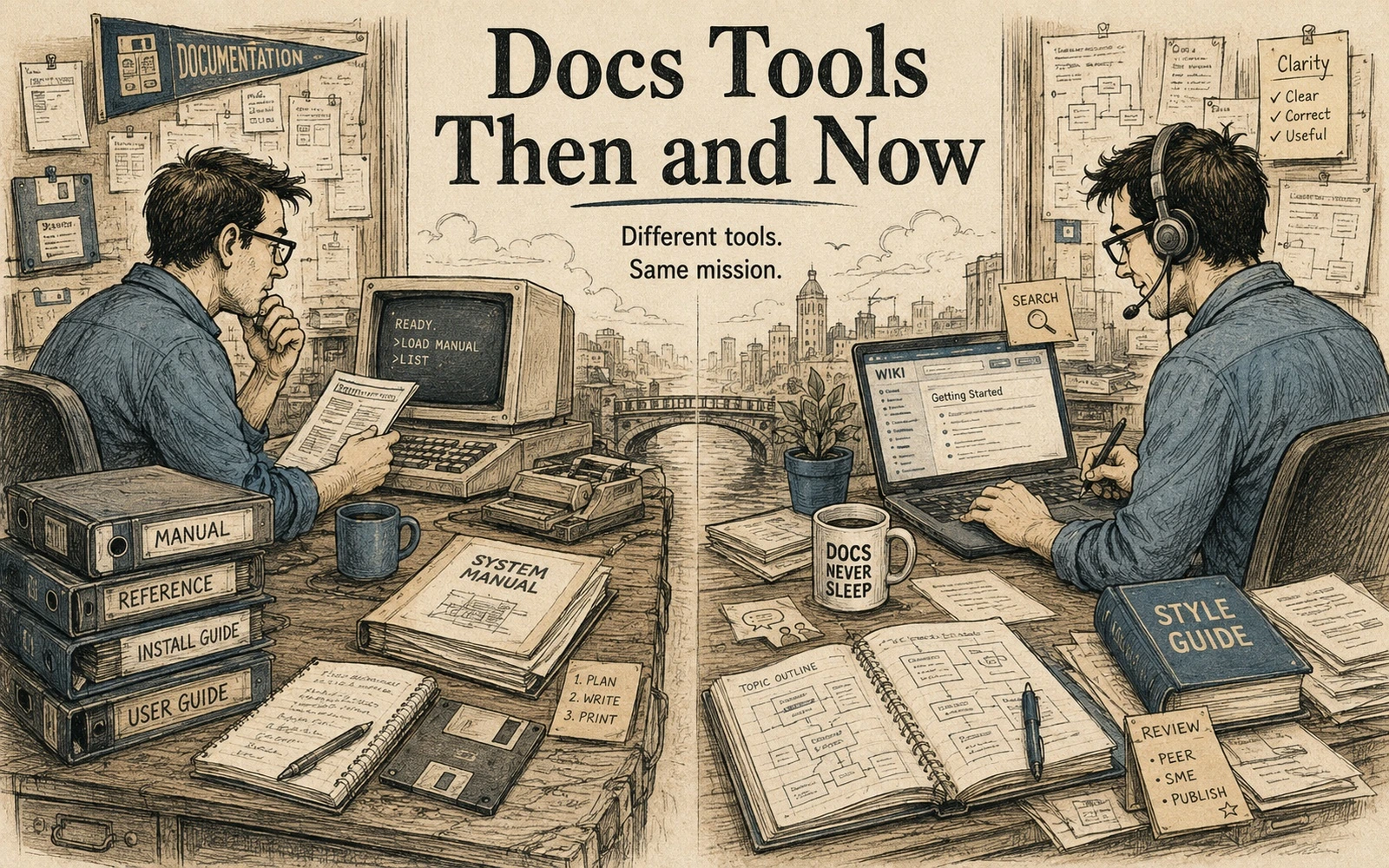
Printed manual linear reading encourage करता है। Web docs search, deep links और support answers से खुलते हैं। Individual pages को अधिक standalone context चाहिए और navigation/cross-links product experience का हिस्सा बनते हैं।
Reuse आसान और खतरनाक दोनों हुआ
Components, includes और structured content duplication कम करते हैं, लेकिन fragment एक context में सही और दूसरे में confusing हो सकता है। Tool editorial decision को replace नहीं करता।
अगला tool पुरानी responsibility नहीं हटाएगा
AI content को नई scale पर generate कर सकता है। इसलिए source quality, review, provenance और information architecture अधिक important होते हैं।
Technology workflow बदलती है; accurate और usable information की responsibility बनी रहती है।
व्यावहारिक उदाहरण
“Documentation tools तब और अब: वास्तव में क्या बदला” को दो हिस्सों में पढ़ें: क्या उस समय की technology से जुड़ा था और क्या मूल documentation problem से। किसी छोटे historical workflow को आज के tools से दोहराएँ—release notes, glossary या offline manual—और देखें कि कौन-से decisions आज भी वही हैं।
Durable patterns खोजें:
- reader जानकारी कैसे खोजता था;
- corrections कैसे वितरित होती थीं;
- publication के बाद accuracy का owner कौन था;
- पुराने medium की कौन-सी सीमाएँ उपयोगी discipline बनाती थीं।
Archive तभी मूल्यवान है जब वह आज की समस्या को अधिक स्पष्ट करे। लक्ष्य पुराने tools लौटाना नहीं, बल्कि टिकाऊ editorial principles को उस समय के माध्यम से अलग करना है।
त्वरित संपादकीय जाँच
- पुरानी problem भी synchronization ही थी. Docs-as-Code नाम आने से बहुत पहले teams multiple source files, reusable fragments, versioned manuals और “current copy कौन-सी है?” जैसे सवाल से जूझती थीं। Tools अलग थे, coordination problem वही थी।
- Text sources automate करना आसान हुआ. Plain-text formats, Git और static generators ने diffs, branches और automated builds आम किए। Documentation change link checking, style linting, preview और deployment trigger कर सकता है।
- Web ने reading unit बदल दिया. Printed manual linear reading encourage करता है। Web docs search, deep links और support answers से खुलते हैं। Individual pages को अधिक standalone context चाहिए और navigation/cross-links product experience का हिस्सा बनते हैं।
- Reuse आसान और खतरनाक दोनों हुआ. Components, includes और structured content duplication कम करते हैं, लेकिन fragment एक context में सही और दूसरे में confusing हो सकता है। Tool editorial decision को replace नहीं करता।